Coal Centrifuge for Efficient Coal Dewatering – Hilook

Hilook delivers high-performance coal centrifuges that reduce moisture, increase calorific value, and maximize your coal preparation plant's profitability.

Introduction

What Is a Coal Centrifuge and Why It Matters in Coal Preparation

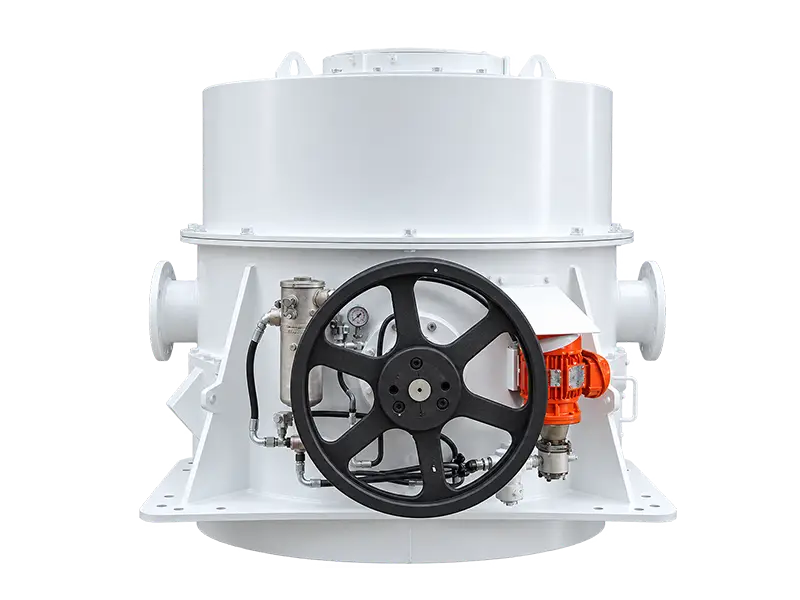
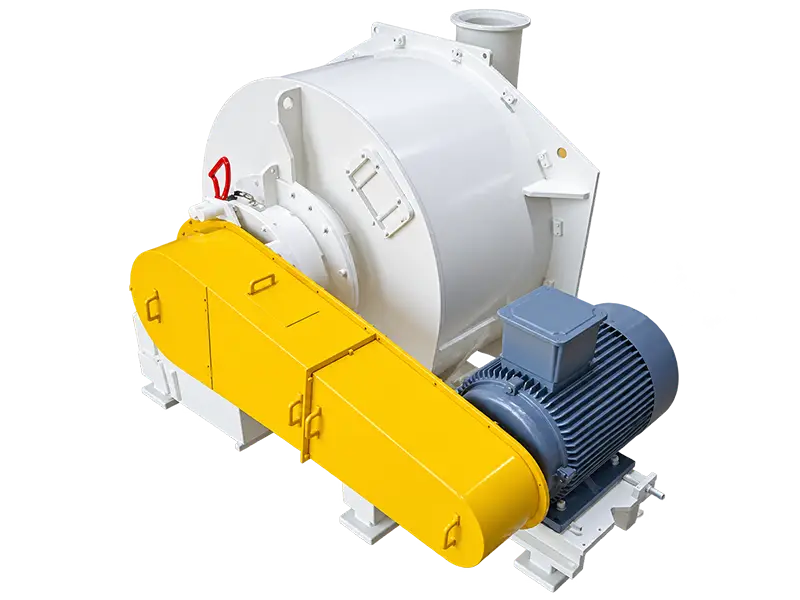
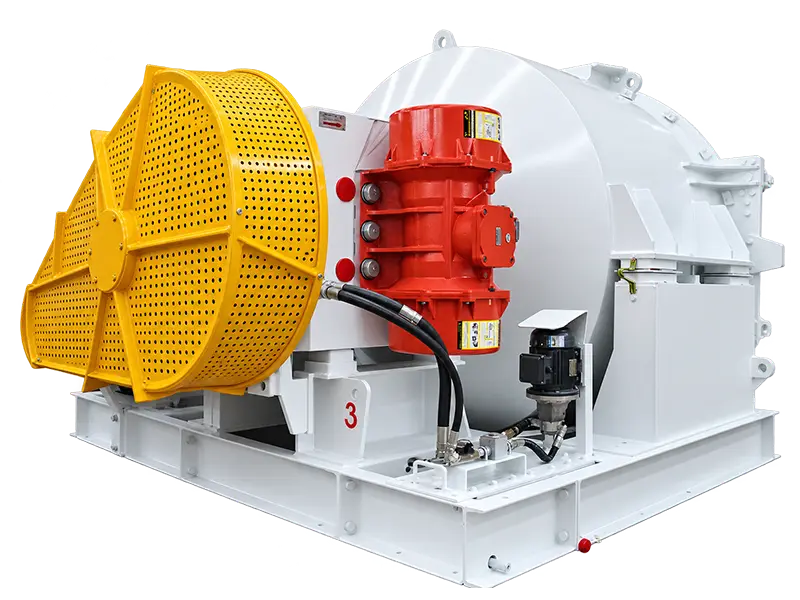
A coal centrifuge is a critical piece of equipment in coal preparation plants, used to dewater fine coal and reduce moisture content. By removing excess water, it improves coal quality, increases calorific value, and reduces transportation costs.

Hilook coal centrifuges use centrifugal force to remove excess moisture from coarse and fine coal, helping maintain consistent product quality and recover process water.

Lower Moisture, Better Coal Quality

Efficient centrifugal dewatering removes excess water from coal particles, helping achieve lower moisture content and more consistent product specifications.

Maximize Coal Energy Value

By reducing moisture content, coal centrifuges help increase the net calorific value of the final product and improve its suitability for downstream applications.

Reduce Unnecessary Weight

Less retained water means lower transportation weight, easier material handling, and reduced freight costs per ton of coal delivered.

Improve Water Resource Efficiency

Effective water separation allows more process water to be recovered and reused, helping reduce fresh water consumption and support sustainable coal preparation operations.

Selection Guide

Coal Centrifuge Selection Guide

Selecting the right coal centrifuge depends on coal particle size, feed moisture, processing capacity, and the required final moisture content. Hilook offers coal dewatering solutions for different coal preparation applications. Consider the following factors to identify the most suitable equipment for your operation.
01

Match the Centrifuge to Your Feed Material

Determine whether you are processing coarse coal, fine coal, or coal slurry. Vibratory centrifuges are commonly used for coarse coal, while screen bowl and decanter centrifuges are suitable for different fine coal dewatering applications.
02

Ensure Reliable Throughput

Evaluate your required processing capacity in tons per hour (TPH), including variations in feed rate and solids concentration. Select a centrifuge that can handle your operating load without compromising dewatering performance.
03

Achieve Your Target Product Moisture

Consider the initial feed moisture and required final moisture content. Dewatering performance depends on particle size distribution, coal characteristics, centrifugal force, and operating conditions.
04

Balance Performance and Operating Costs

Consider abrasive wear, energy consumption, maintenance accessibility, and continuous operating requirements. Proper equipment selection helps improve reliability, reduce maintenance downtime, and control long-term operating costs.
Maintenance

Coal Centrifuge Maintenance Guide

Regular coal centrifuge maintenance helps maintain dewatering efficiency, reduce equipment wear, and prevent unexpected downtime. Follow a structured inspection and maintenance schedule to keep your centrifuge operating reliably in demanding coal preparation environments.

Monitor Operating Conditions

Check for unusual vibration, noise, oil leaks, and abnormal temperatures. Inspect lubrication levels and ensure feed and discharge chutes remain clear.

Prevent Premature Component Wear

Lubricate bearings according to the manufacturer's recommendations. Inspect screens and baskets for damage, and check drive belt tension and alignment where applicable.

Default

Maintain Equipment Reliability

Examine wear liners and scroll flights where fitted. Check critical fasteners for proper tightness, and inspect or replace lubrication filters as required.

Extend Equipment Service Life

Inspect bearings, seals, baskets, and other critical components during a scheduled shutdown. Replace worn parts and check rotating assembly balance when necessary.

FAQ

Coal Centrifuge FAQs – Maintenance, Troubleshooting & Operation

Find answers to common questions about coal centrifuge performance, maintenance, troubleshooting, and replacement parts to help improve dewatering efficiency and reduce unexpected downtime.

Why is my coal centrifuge producing high-moisture coal?

High product moisture may result from worn or blocked screens, excessive feed rates, unsuitable basket speeds, or changes in coal particle size distribution. Inspect the screen basket, verify feed conditions, and check operating parameters against the equipment manufacturer's recommendations.

Why is my coal centrifuge processing capacity decreasing?

Reduced throughput can result from blocked screen apertures, inconsistent feed rates, excessive feed moisture, or worn conveying components. Check the feed distribution, screen open area, discharge chutes, and scroll conveyor where applicable. Maintaining stable feed conditions helps restore consistent processing capacity.

How often should a coal centrifuge be maintained?

Maintenance frequency depends on the centrifuge type, operating hours, coal abrasiveness, and environmental conditions. Daily operating checks, periodic lubrication and screen inspections, and scheduled mechanical overhauls are commonly recommended. Always follow the manufacturer's maintenance schedule for the specific model.

What causes excessive vibration in a coal centrifuge?

Excessive vibration may be caused by uneven material buildup, worn bearings, loose mounting bolts, rotating assembly imbalance, or misalignment. Stop the equipment safely before inspection, remove accumulated material, and check critical components. Persistent vibration requires further mechanical inspection.

What causes coal centrifuge bearings to overheat or fail?

Bearing overheating may result from inadequate lubrication, lubricant contamination, excessive loading, incorrect bearing clearance, or misalignment. Check bearing temperature, vibration trends, lubrication condition, and installation accuracy. Bearings showing signs of damage should be inspected and replaced as necessary.

How can I improve coal centrifuge dewatering efficiency?

Start by checking feed particle size distribution, solids concentration, screen condition, and centrifuge operating speed. Consistent feed rates and properly maintained screening surfaces help improve water separation. The optimal settings depend on coal characteristics and the required final moisture content.
CONTACT US
Ready to optimize your coal dewatering process?
Hilook is a leading manufacturer of coal centrifuges and screening equipment, serving coal preparation plants, power stations, and coke producers worldwide. Our commitment to quality and innovation has made us a trusted partner in the industry.

    Get a quick quote

    We typically confirm within 24 hours.