Horizontal vibrating centrifuge

Horizontal Vibrating Centrifuge

Horizontal Vibrating Centrifuge with Adjustable 2-6mm Amplitude for Efficient Dewatering

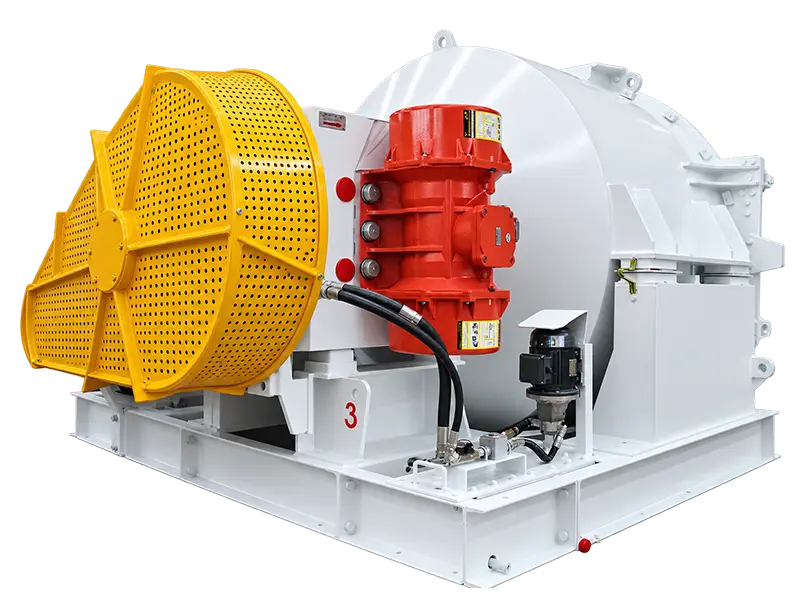
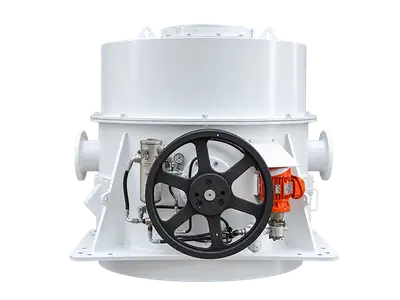
The horizontal vibrating centrifuge is a high-capacity dewatering system engineered for continuous operation in coal preparation, mineral processing, and chemical industries. Its dual independent vibration motors generate a stable 2–6 mm amplitude, easily adjustable to suit varying feed conditions.

Lubrication System
Forced-feed thin-oil
Screen Basket Material
Polyurethane or high-alumina ceramic lined
Buffer Material
Polyurethane blocks
Customization
Motor positioning and door opening direction customizable

How Does the Horizontal Vibrating Centrifuge Achieve Low Moisture and High Throughput?

The horizontal vibrating centrifuge operates on a dual-motor excitation system that produces a stable vibration amplitude of 2–6 mm, adjustable to match material characteristics. Unlike conventional centrifuges, the main shaft and bearings are shielded from direct vibrational impact, allowing the screen basket to vibrate uniformly without inducing excessive stress on rotating components. This design enables high throughput while maintaining low product moisture content. The excitation system uses two independently operating vibration motors, ensuring reliable and consistent vibration performance even under variable load conditions. Polyurethane buffer blocks absorb residual vibrations, reducing noise levels and preventing transmission to the foundation structure.

This centrifuge is particularly effective in coal preparation plants, where fine coal dewatering demands both high capacity and low moisture to meet quality specifications. In mineral processing, it handles concentrates and tailings with varying particle size distributions, thanks to the adjustable amplitude and vibration-assisted feeding via the inlet chute door. The forced-feed thin-oil lubrication system ensures continuous lubrication of rotating components, extending bearing life in dusty and corrosive environments. The hinged door design simplifies screen basket replacement, reducing downtime during maintenance. All high-wear zones are lined with polyurethane or high-alumina ceramic, providing abrasion resistance in harsh slurries.

Compared to other models in the series, this horizontal vibrating centrifuge stands out for its customizable motor positioning and door opening direction, which allow seamless integration into existing plant layouts without costly modifications. The 2–6 mm amplitude range offers flexibility across different feed materials, while the dual-motor excitation system provides redundancy and balanced vibration. The use of internationally renowned brand components ensures consistent performance and long service life. These features collectively reduce operating costs and improve dewatering efficiency, making this centrifuge a preferred choice for medium-to-large scale operations.

  • Adjustable amplitude from 2 to 6 mm accommodates diverse material characteristics and feed rates.
  • Dual independent vibration motors deliver reliable excitation with minimal maintenance.
  • Polyurethane buffer blocks reduce noise and isolate vibration from the foundation.
  • Forced-feed thin-oil lubrication system ensures effective bearing lubrication and extended service intervals.
  • Hinged door design enables quick screen basket replacement, minimizing downtime.
  • High-wear areas protected with polyurethane or high-alumina ceramic linings for durability.

Technical Specifications

NO.ModelNameFeed Particle SizeTechnical Specifications
Main MotorOil Pump MotorVibration MotorScreen BasketProduct Moisture ContentMax. Throughput Capacity
1LVM1100Horizontal vibrating centrifuge0.5-5030KW, 380/660V,P6,IP55, 50Hz, Class F0.75KW, 380/660V, P4,IP55, 3PH, 50Hz, Class F2*4KW, 380/660V, P4,IP65, 3PH, 50Hz, Class FΦ1100mm5-9%120t/h
2LVM120037KW, 380/660V,P6,IP55, 50Hz, Class F0.75KW, 380/660V, P4,IP55, 3PH, 50Hz, Class F2*4KW, 380/660V, P4,IP65, 3PH, 50Hz, Class FΦ1200mm150t/h
3LVM130037KW, 380/660V,P6,IP55, 50Hz, Class F0.75KW, 380/660V, P4,IP55, 3PH, 50Hz, Class F2*4KW, 380/660V, P4,IP65, 3PH, 50Hz,Class FΦ1300mm180t/h
4LVM140045KW, 380/660V,P6,IP55, 50Hz, Class F0.75KW, 380/660V, P4,IP55, 3PH, 50Hz, Class F2*4KW, 380/660V, P4,IP65, 3PH, 50Hz, Class FΦ1400mm250t/h
5LVM150075KW, 380/660V,P6,IP55, 50Hz, Class F0.75KW, 380/660V, P4,IP55, 3PH, 50Hz, Class F2*8.4KW, 380/660V, P4,IP65, 3PH, 50Hz, Class FΦ1500mm350t/h
6LVM165075KW, 380/660V,P6,IP55, 50Hz, Class F0.75KW, 380/660V, P4,IP55, 3PH, 50Hz, Class F2*8.4KW, 380/660V, P4,IP65, 3PH, 50Hz,Class FΦ1650mm450t/h

Core Technical Features and Quantified Advantages

STEP 1

Dual Independent Vibration Motors with 2-6mm Adjustable Amplitude

The excitation system uses two independently operating vibration motors, each capable of delivering consistent vibration force. Amplitude is adjustable from 2 to 6 mm, allowing operators to optimize dewatering performance for materials with different particle sizes and moisture levels. This dual-motor configuration provides balanced vibration and redundancy, ensuring continuous operation even if one motor requires maintenance. The independent operation also reduces stress on the main shaft and bearings, as vibrational impact is isolated from rotating components. This design results in stable vibration, low noise, and uniform screen basket movement, which are critical for achieving low product moisture content in high-throughput applications.
STEP 2

Forced-Feed Thin-Oil Lubrication System for Rotating Components

Rotating components, including the main shaft and bearings, are lubricated by a forced-feed thin-oil system that delivers a continuous supply of oil under pressure. This ensures effective lubrication even under high-speed operation and in dusty environments. The system minimizes wear and extends bearing life, reducing maintenance costs and downtime. Unlike grease lubrication, thin-oil systems dissipate heat more efficiently, maintaining optimal operating temperatures. The lubrication system is designed for reliability, with filters and monitoring options available to ensure oil cleanliness. This feature is particularly beneficial in continuous industrial operations where unplanned stoppages are costly.

STEP 3

Polyurethane Buffer Blocks for Noise and Vibration Isolation

Polyurethane buffer blocks are installed between the vibrating screen basket and the main frame to absorb residual vibrations and reduce noise. These blocks are engineered to withstand repeated cyclic loading without permanent deformation, ensuring long-term performance. By minimizing vibration transmission to the foundation, they protect adjacent structures and equipment from damage. The buffer blocks also contribute to lower noise levels, improving workplace safety and comfort. Their polyurethane composition offers excellent resistance to oils, chemicals, and abrasion, making them suitable for harsh industrial environments. This design feature enhances the overall durability of the centrifuge and reduces maintenance requirements.

STEP 4

Hinged Door Design for Quick Screen Basket Replacement

The centrifuge is equipped with a hinged door that provides easy access to the screen basket for inspection and replacement. This design eliminates the need for time-consuming disassembly of adjacent components, reducing downtime during maintenance. The door is robustly constructed and sealed to prevent material leakage during operation. The hinge mechanism is designed for frequent use, with durable bearings and locking mechanisms. Additionally, the door opening direction can be customized to suit plant layout and maintenance access requirements. This feature is particularly valuable in operations where screen baskets require regular replacement due to abrasive wear, as it significantly reduces labor and downtime costs.

FAQs about Horizontal Vibrating Centrifuge

Similar Models