banner-page-product-Crushing Equipment

Crushing Equipment for Mining, Aggregate, and Recycling Industries

Hilook delivers high-performance crushing equipment engineered for efficient size reduction. Explore our jaw, cone, and impact crushers to maximize your production.

General Overview

What is Crushing Equipment?

Crushing equipment is essential for reducing large rocks into smaller pieces, liberating valuable minerals, and producing aggregates for construction.

Crushing equipment transforms large, raw materials into controlled particle sizes, providing an efficient foundation for mining, construction, quarrying, and recycling operations.

Efficient Size Reduction

Crushing equipment uses mechanical force to break down large rocks, ores, concrete, and other materials into smaller, manageable sizes.

Supports Mineral Liberation

In mining operations, crushers help expose valuable minerals within ore, preparing materials for subsequent grinding and separation processes.

Produces Consistent Aggregates

By controlling output size, crushing machines produce aggregates that meet specific requirements for concrete, asphalt, road construction, and other applications.

Multi-Stage Crushing Solutions

Primary, secondary, and tertiary crushing stages work together to progressively reduce material size and achieve the desired final product specifications.

PRODUCTS

Hilook's Crushing Equipment Range
Hilook offers stationary, mobile, and portable crushing plants to meet the demands of any operation.
Application-Crushing Equipment01
Industry Application
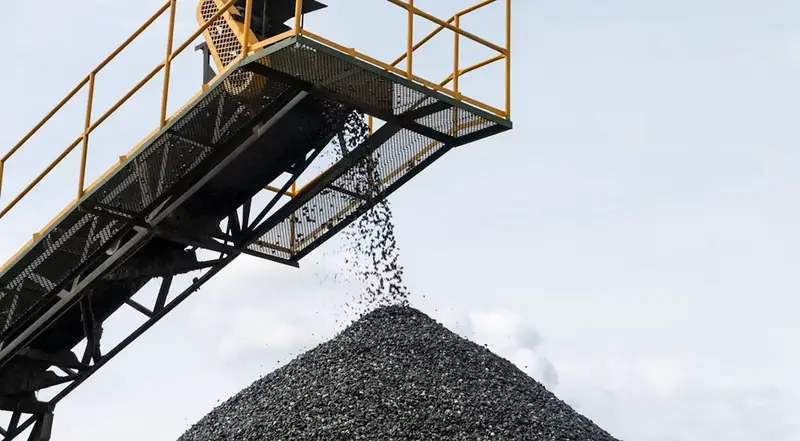
Mining and Quarrying

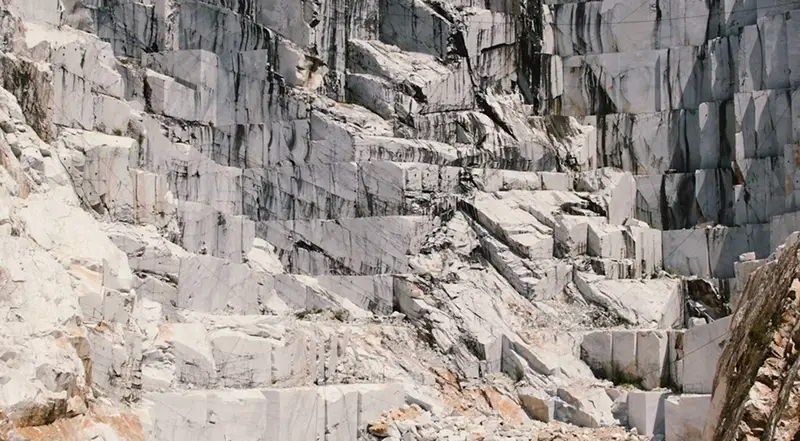
In mining, crushing equipment is used to reduce ore size for further processing. Hilook crushers are engineered to handle hard, abrasive materials and provide high throughput. Our equipment is used in open-pit and underground mines for primary, secondary, and tertiary crushing. We also supply crushers for quarrying operations producing aggregates.
Application-Crushing Equipment02
Industry Application
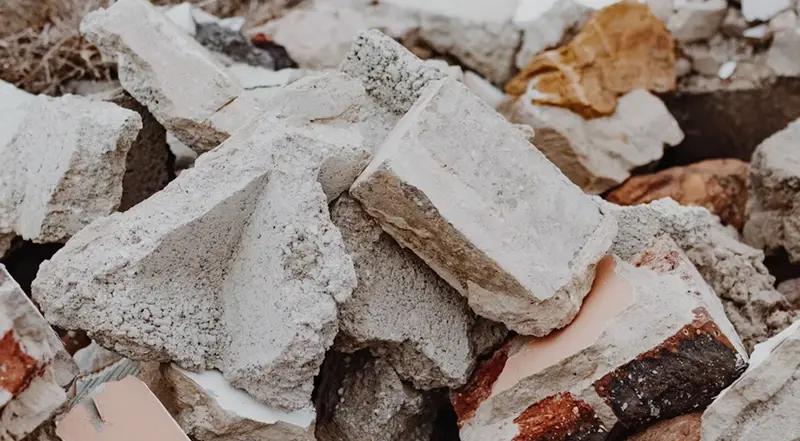
Construction Aggregates

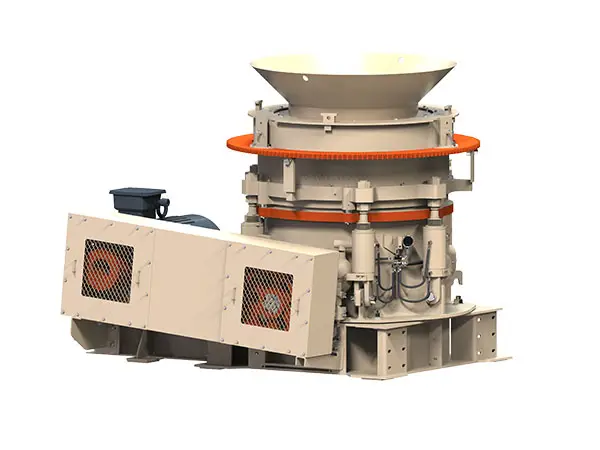
Construction aggregates are essential for concrete, asphalt, and road base. Hilook crushing equipment produces high-quality aggregates with excellent particle shape. Our jaw and cone crushers are widely used in aggregate production plants. We offer complete solutions from primary crushing to screening and washing.
Application-Crushing Equipment03
Industry Application
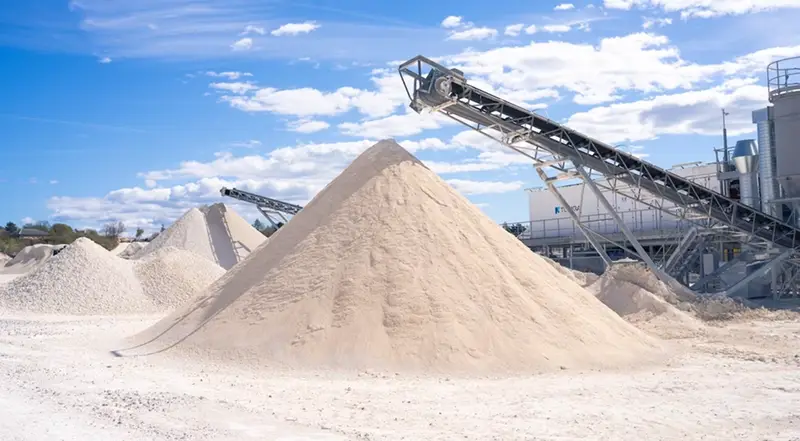
Recycling (Concrete, Asphalt)

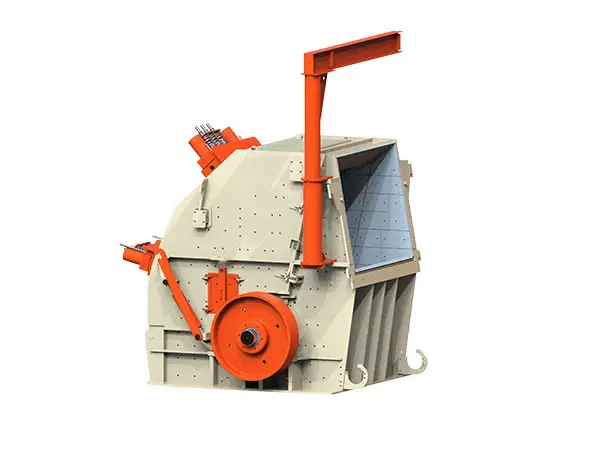
Recycling demolition waste into reusable materials is both economical and environmentally friendly. Hilook impact crushers are ideal for processing concrete and asphalt rubble. They produce a consistent product that can be used as base material or new aggregate. Our mobile crushing plants are particularly suited for on-site recycling.
Application-Crushing Equipment04
Industry Application
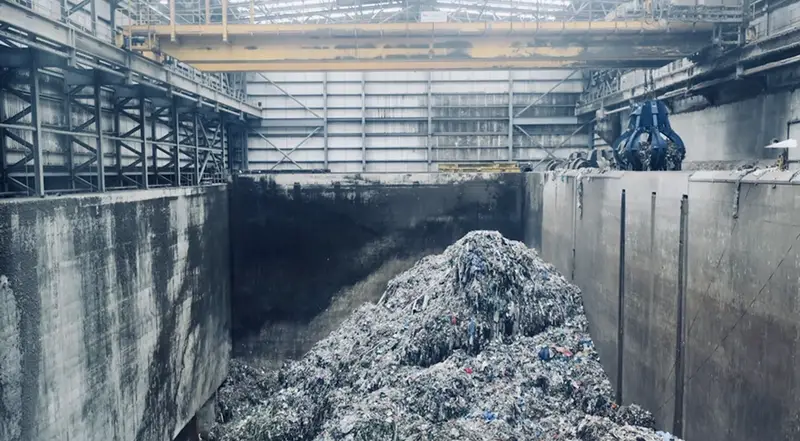
Cement Production

In cement plants, crushing equipment prepares raw materials like limestone, clay, and gypsum for grinding and kiln feed. Hilook hammer mills and impact crushers are commonly used for fine crushing in cement production. Our equipment is designed for high availability and low energy consumption.
Application-Crushing Equipment05
Industry Application
Metallurgical Processes

Metallurgical operations require precise size reduction for smelting and refining. Hilook crushers are used to process ores, slag, and other metallurgical materials. We offer specialized solutions for high-temperature and abrasive applications.
Application-Crushing Equipment06
Industry Application
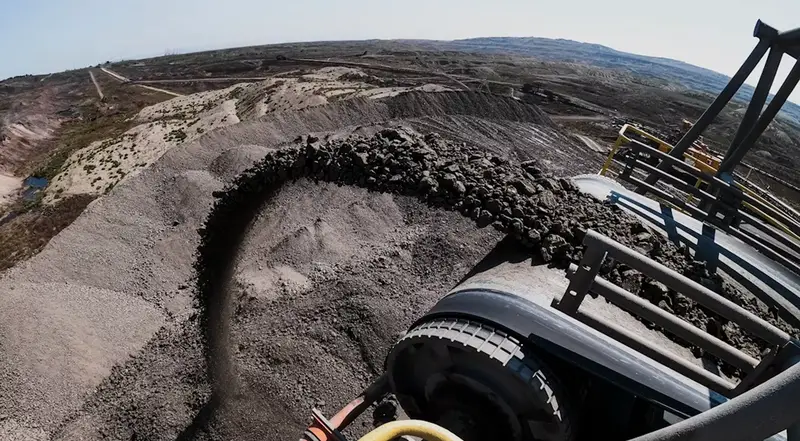
Industrial Minerals

Industrial minerals such as limestone, talc, and barite require careful crushing to preserve their properties. Hilook offers a range of crushers for fine and ultra-fine grinding. Our equipment ensures minimal contamination and consistent product quality.

Process Steps

Key Selection Criteria for Crushing Equipment

Selecting the right crusher involves evaluating material characteristics, product requirements, and operational factors.
01

Feed Material Characteristics

Assess hardness (Mohs scale), abrasiveness, moisture content, and bulk density. Harder and more abrasive materials require robust crushers like jaw or cone crushers, while softer materials can be processed with impact crushers.
02

Required Product Size and Shape

Determine the desired output size and particle shape. Cone crushers produce cubical particles, while impact crushers yield a more rounded shape. For fine products, consider hammer mills or VSI crushers.
03

Throughput Capacity

Match the crusher capacity to your production targets. Consider peak loads and future expansion. Hilook offers crushers with capacities from 50 tph to over 2000 tph.
04

Mobility Requirements

If your operation requires moving between sites, mobile or portable crushing plants are ideal. They reduce material handling and setup time. Stationary plants are more suitable for long-term, high-volume operations.
05

Energy Efficiency

Energy costs can account for a significant portion of operating expenses. Choose crushers with high energy efficiency, such as Hilook's advanced cone and impact crushers, which are designed to reduce power consumption per ton.
06

Automation and Control Features

Modern crushers come with automation systems that optimize performance and prevent downtime. Look for features like automatic setting adjustment, remote monitoring, and predictive maintenance. Hilook offers advanced control systems for all its crushers.
FAQ

Crushing Equipment FAQs

What is crushing equipment used for?

Crushing equipment is used to reduce large rocks, ores, aggregates, concrete, and other materials into smaller, controlled sizes. It is widely used in mining, quarrying, construction, recycling, and aggregate production.

What is the difference between primary, secondary, and tertiary crushing?

Primary crushing handles large run-of-mine materials and performs the initial size reduction. Secondary crushing further reduces the material, while tertiary crushing produces finer and more precisely sized products.

Can Hilook provide a complete crushing solution?

Yes. Hilook can provide crushing equipment for different processing stages and help configure suitable crushing solutions based on the customer's material characteristics, required capacity, feed size, and final product specifications.

What types of crushing equipment are available?

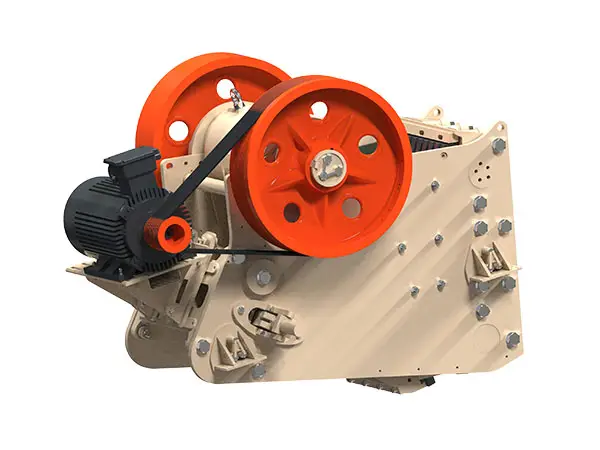
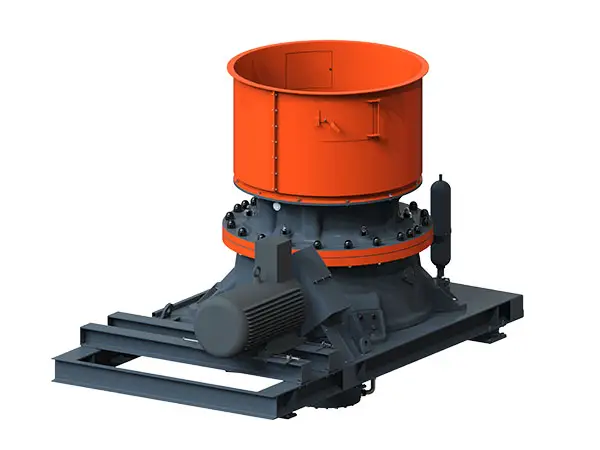
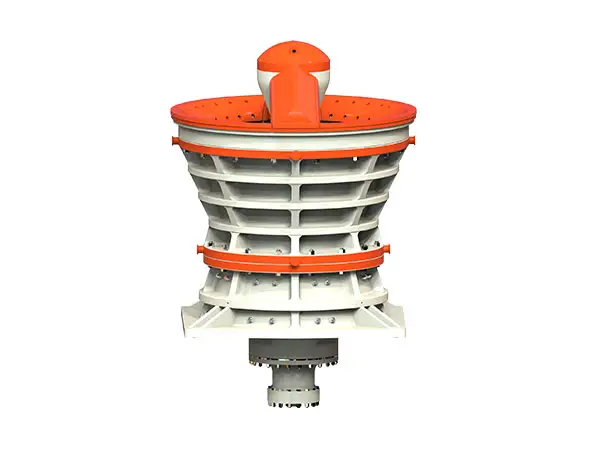
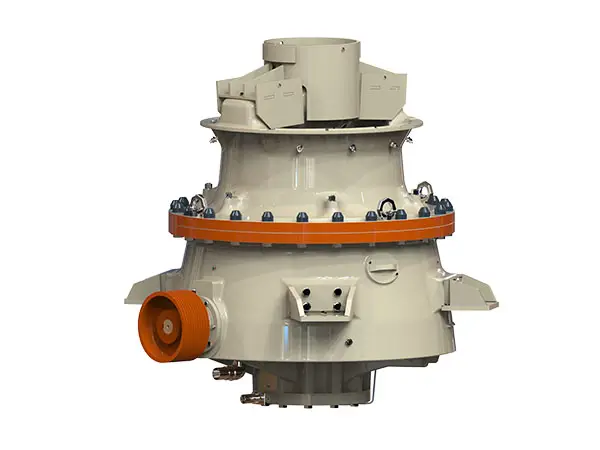
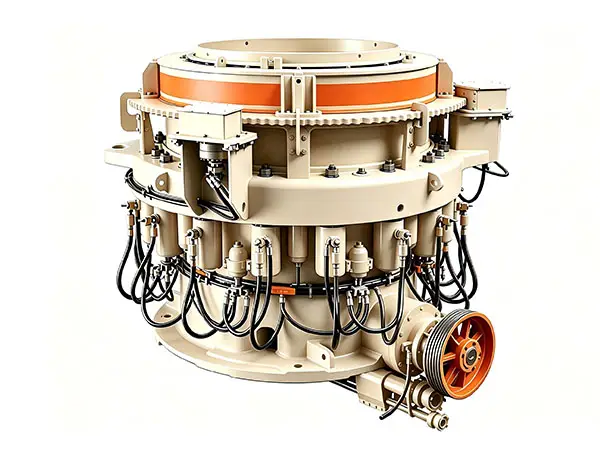
Common types include gyratory crushers, jaw crushers, cone crushers, and impact crushers. Each type is designed for different materials, capacities, feed sizes, and crushing stages.

How do I choose the right crushing equipment?

Equipment selection depends on factors such as material type and hardness, feed size, required output size, processing capacity, moisture content, and application requirements. A suitable crushing circuit should be selected according to the complete production process.

What materials can crushing equipment process?

Crushing equipment can process various materials, including hard rock, ores, limestone, granite, basalt, construction aggregates, concrete, and demolition waste. The appropriate crusher should be selected according to material characteristics.
Maintenance and Operational

Maintenance and Operational Best Practices

Proper maintenance and operation are key to maximizing the lifespan and efficiency of your crushing equipment.

Routine Inspection and Lubrication

Perform daily inspections of wear parts, belts, and bearings. Lubricate according to the manufacturer's schedule to prevent premature failure. Hilook provides detailed maintenance manuals and training.

Wear Parts Replacement Schedule

Monitor wear on jaw plates, cone liners, and blow bars. Replace them before they affect product quality or cause damage. Hilook offers genuine spare parts with fast delivery.

Safety Protocols

Ensure all operators are trained on lockout/tagout procedures, proper PPE, and emergency stops. Never perform maintenance while the crusher is running. Hilook equipment is designed with safety features such as guards and sensors.

Training for Operators

Well-trained operators can significantly improve crusher performance and reduce downtime. Hilook offers on-site and online training programs covering operation, maintenance, and troubleshooting.

Troubleshooting Common Issues

Common issues include excessive vibration, abnormal noise, and reduced throughput. Refer to the troubleshooting guide or contact Hilook support for assistance. Regular monitoring can prevent major problems.

Maximizing Uptime

Implement a preventive maintenance program, keep critical spares in stock, and use condition monitoring. Hilook's service team can help you develop a maintenance plan tailored to your operation.

bg01
CONTACT US
Ready to Optimize Your Crushing Process?
Contact Hilook today to discuss your crushing equipment needs. Our experts will help you find the right solution.

    Get a quick quote

    We typically confirm within 24 hours.