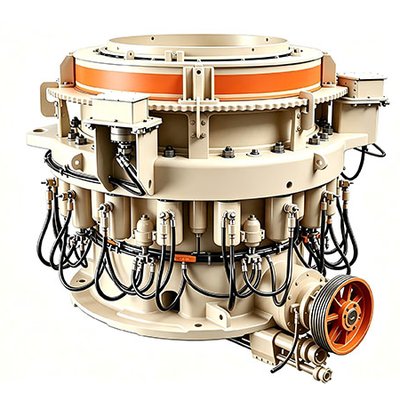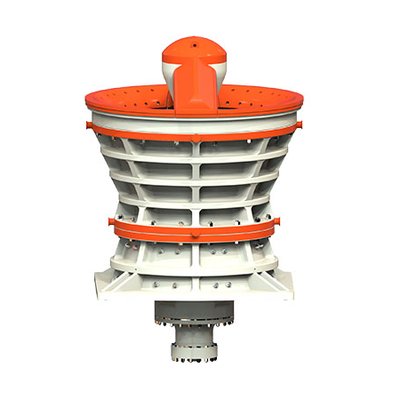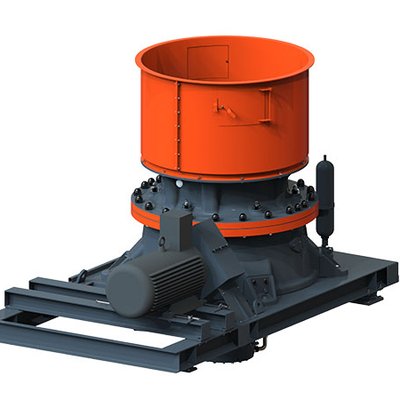
Selecting the right gyratory crusher for a mining operation is not simply a matter of choosing the largest machine or the model with the highest rated capacity. A primary crusher must match the characteristics of the ore, feed conditions, required throughput, downstream process, site conditions, and long-term operating requirements.
For large-scale mining operations, the right gyratory crusher can provide high-capacity primary crushing, stable material flow, and reliable performance under demanding conditions. However, an unsuitable crusher can result in excessive energy consumption, premature wear, frequent maintenance, bottlenecks, and unnecessary operating costs.
This guide explains the key factors to consider when selecting a gyratory crusher for mining, helping mine operators, engineers, and equipment buyers make a more informed technical decision.
What Is a Gyratory Crusher Used for in Mining?
A gyratory crusher is a primary crushing machine designed to reduce large pieces of blasted rock or ore into a smaller, more manageable size for subsequent processing.
Unlike many secondary or tertiary crushers, gyratory crushers are commonly used where very large feed sizes and high continuous throughput are required. They are particularly suitable for large open-pit mining operations and mineral processing plants where the primary crushing stage must handle substantial volumes of material.
Typical applications include:
Iron ore crushing
Copper ore processing
Gold mining
Limestone and other hard rock crushing
Large-scale aggregate production
Open-pit mining operations
Mineral processing plants
The primary crusher is often the first major size-reduction stage in the processing circuit. Therefore, its performance can directly influence the efficiency of downstream conveyors, screens, mills, and other processing equipment.
Understand the Ore Characteristics First
Before selecting a gyratory crusher, start with the material being processed rather than the machine itself.
Different ores behave differently during crushing. Important material characteristics include:
Hardness
Hard and abrasive ores can place significant loads on the crushing chamber and wear components. Materials such as iron ore and some copper ores may require a crusher designed for demanding continuous operation.
Abrasiveness
Highly abrasive materials can accelerate wear on mantles, concaves, and other components. When abrasive ore is expected, wear resistance and the availability of replacement parts should be included in the selection process.
Moisture Content
Wet or sticky material may behave differently from dry rock. Excessive moisture can affect material flow and potentially contribute to blockages or reduced crushing efficiency.
Bulk Density
Ore density affects the mass flow through the crusher. Two materials with similar particle sizes may produce different throughput results because of differences in density.
Feed Gradation
The distribution of feed particle sizes is another important factor. A crusher receiving a consistent feed can perform differently from one receiving highly variable material.
A professional crusher selection should therefore begin with actual material data whenever possible.
Determine the Required Crushing Capacity
Capacity is one of the most important factors when selecting a gyratory crusher for mining.
Instead of simply asking, "How much can this crusher process?", engineers should determine the required production rate of the entire crushing circuit.
Consider:
Required tonnes per hour
Average production rate
Peak production rate
Operating hours per day
Annual production target
Planned plant availability
Expected future production increases
For example, a mine designed to process 5,000 tonnes per hour should not select a crusher based only on an average feed rate of 4,000 tonnes per hour if periodic production peaks are expected.
At the same time, oversizing the crusher unnecessarily can increase equipment investment, installation requirements, power consumption, and maintenance costs.
The objective is to select a crusher with an appropriate operating range rather than simply selecting the largest available model.
Match the Crusher to the Maximum Feed Size
Feed size is another critical consideration.
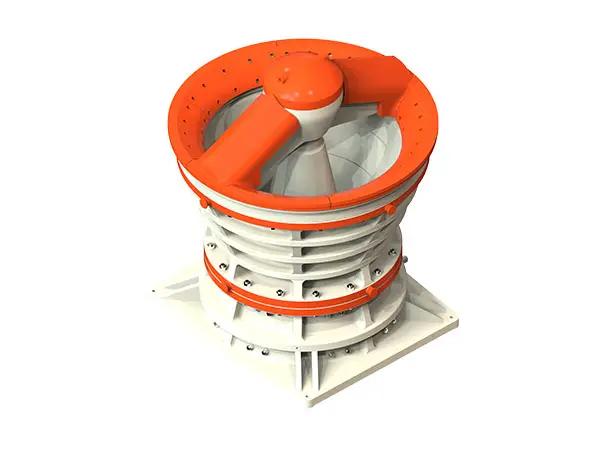
Large run-of-mine material can contain oversized rocks generated during blasting. The crusher must have a suitable feed opening and crushing chamber configuration to accept the expected feed without creating excessive blockages or operational interruptions.
When evaluating feed requirements, consider:
Maximum lump size
Typical feed size
Feed size distribution
Oversize percentage
Blasting practices
Existing primary crusher feed conditions
If the maximum rock size is too large for the selected crusher, additional fragmentation or a different crushing configuration may be required.
For this reason, crusher selection should be coordinated with blasting, loading, hauling, and material handling operations rather than considered as an isolated equipment decision.
Consider the Required Product Size
A gyratory crusher is generally used for primary crushing, so the objective is usually not to produce the final product size directly.
Instead, the primary crusher should produce a suitable feed size for the next stage of the process.
Before selecting a machine, define:
Required crusher discharge size
Downstream crusher feed requirements
Conveyor limitations
Screening requirements
Grinding circuit requirements
Overall crushing circuit configuration
For example, if a cone crusher is used as the secondary crushing stage, the gyratory crusher should produce a feed suitable for the selected cone crusher.
This approach helps prevent the primary crusher from being selected independently of the rest of the processing circuit.
Evaluate Crushing Ratio and Reduction Requirements
The reduction ratio describes the relationship between the feed size and the resulting product size.
A high reduction requirement can place greater demands on the crushing chamber and operating conditions.
When evaluating a gyratory crusher, consider:
Feed size → Crusher chamber → Discharge size → Secondary crushing requirements
The ideal crushing configuration depends on the characteristics of the ore and the complete processing flow sheet.
Rather than maximizing reduction in a single crushing stage, many large mining plants use multiple crushing stages to achieve the required final product size efficiently.
Check Motor Power and Energy Requirements
A gyratory crusher requires substantial power to break large quantities of rock.
Motor power should be evaluated together with:
Ore hardness
Feed size
Throughput
Reduction ratio
Crusher operating conditions
Expected utilization
Electrical infrastructure
Higher motor power does not automatically mean better crushing performance. The power system must be properly matched with the mechanical design and expected operating conditions.
Energy efficiency is becoming increasingly important for mining operations because electricity and fuel can represent a significant portion of total operating costs.
Therefore, when comparing gyratory crusher options, consider both rated power and actual energy consumption under the expected operating conditions.
Consider the Crusher's Operating Environment
Mining crushers often operate under harsh conditions.
A crusher installed in an open-pit mine may be exposed to:
Dust
Vibration
Temperature changes
Moisture
Heavy continuous loading
Abrasive material
Difficult maintenance conditions
Site conditions should therefore be considered during equipment selection.
Important questions include:
Is the crusher installed indoors or outdoors?
What is the ambient temperature range?
Is dust suppression required?
What foundation is available?
How will the crusher be transported to the site?
Is there sufficient space for maintenance?
How will large components be removed or replaced?
A crusher that performs well technically may still create operational challenges if the installation environment is not properly considered.
Evaluate Wear Parts and Service Life
Wear parts are an unavoidable part of crushing operations.
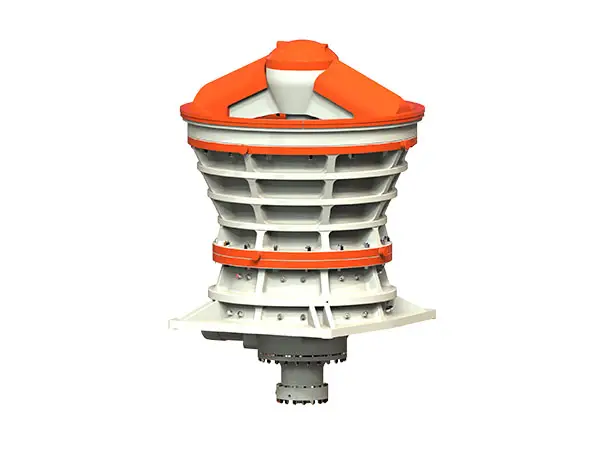
For gyratory crushers, components such as mantles and concaves gradually wear as they process rock.
When selecting a crusher, do not look only at the initial equipment price. Consider the complete wear-part strategy.
Evaluate:
Wear resistance
Expected service life
Replacement frequency
Wear-part availability
Replacement procedures
Local technical support
Spare-part lead time
A crusher with readily available wear parts can reduce maintenance-related downtime and make long-term operation more predictable.
It is also useful to ask the manufacturer how wear patterns are monitored and whether different liner profiles are available for different ore characteristics.
Analyze Maintenance Requirements
Maintenance accessibility can have a significant effect on mine productivity.
A crusher that requires long shutdowns for routine maintenance may create substantial indirect costs, particularly in high-throughput mining operations.
When evaluating a gyratory crusher, investigate:
Inspection Access
Can key components be inspected safely and efficiently?
Lubrication System
Is the lubrication system reliable and easy to monitor?
Wear-Part Replacement
How long does it normally take to replace major wear components?
Component Accessibility
Can maintenance personnel access critical components without excessive disassembly?
Technical Support
Does the manufacturer provide installation guidance, troubleshooting support, and maintenance documentation?
Maintenance should be considered during the initial selection stage rather than after equipment installation.
Consider Automation and Condition Monitoring
Modern mining operations increasingly use automation and digital monitoring to improve equipment availability and process control.
Depending on the crusher configuration, useful monitoring functions may include:
Lubrication pressure monitoring
Oil temperature monitoring
Vibration monitoring
Motor load monitoring
Crusher operating status
Hydraulic system monitoring
Alarm and shutdown protection
Remote operating data
Condition monitoring can help operators identify abnormal operating conditions before they develop into major failures.
For large mining operations, integrating the gyratory crusher into the plant's automation and monitoring system can also improve visibility across the entire crushing circuit.
Check Compatibility with the Complete Crushing Circuit
A gyratory crusher should never be selected as a standalone machine.
Its performance needs to match the equipment before and after it.
A typical mining crushing circuit may include:
Blasting → Loading → Hauling → Gyratory Crusher → Conveyor → Secondary Crusher → Screening → Grinding/Processing
The primary crusher therefore needs to work effectively with:
Feeders
Conveyors
Transfer stations
Secondary crushers
Screens
Stockpiles
Dust suppression systems
Plant control systems
For example, installing a high-capacity primary crusher while the downstream conveyor system cannot handle the same material flow can create a bottleneck.
The capacity of the entire system should therefore be evaluated rather than focusing on the crusher's individual specification.
Compare Total Cost of Ownership, Not Just Purchase Price
The initial purchase price is only one part of the cost of owning a gyratory crusher.
A more useful approach is to evaluate Total Cost of Ownership (TCO).
Key cost factors include:
Initial equipment investment
Transportation
Installation
Foundation construction
Electrical infrastructure
Energy consumption
Lubrication
Wear parts
Routine maintenance
Unplanned downtime
Spare parts
Technical service
A lower initial purchase price does not necessarily result in lower long-term operating costs.
For a high-capacity mining operation, even a small difference in crusher availability or energy efficiency can have a significant effect over many years.
Evaluate Manufacturer Experience and Technical Support
Choosing a gyratory crusher is also about choosing a long-term equipment partner.
Before purchasing, investigate the manufacturer's:
Manufacturing capabilities
Engineering team
Quality control system
Equipment testing procedures
Mining application experience
Installation support
Spare-parts supply
After-sales service
Troubleshooting capabilities
International project experience
Ask the supplier for technical documentation and project references where available.
A reliable manufacturer should be able to explain not only the machine's specifications but also why a particular configuration is suitable for your ore, production requirements, and operating environment.
Common Mistakes When Selecting a Gyratory Crusher
Choosing Based Only on Price
A lower purchase price does not necessarily mean lower operating costs. Energy, wear parts, maintenance, and downtime should also be considered.
Choosing the Largest Crusher Available
Higher capacity is not automatically better. Oversizing can increase capital expenditure and operating requirements without providing corresponding benefits.
Ignoring Feed Characteristics
Using only average feed size while ignoring maximum lump size and feed variability can lead to operational problems.
Focusing Only on the Crusher
The primary crusher must work with the complete crushing and conveying system. A mismatch can create bottlenecks elsewhere in the plant.
Underestimating Maintenance
Maintenance accessibility, spare parts, and service support can have a significant impact on long-term equipment availability.
Ignoring Future Production Requirements
If mine production is expected to increase, future throughput requirements should be considered during the initial equipment selection.
How to Choose the Right Gyratory Crusher for Your Mining Operation
There is no single gyratory crusher configuration that is ideal for every mine.
The right selection depends on the relationship between ore characteristics, feed size, required capacity, discharge requirements, power, operating conditions, maintenance strategy, downstream equipment, and total cost of ownership.
A practical selection process can be summarized as:
Analyze the ore → 2. Define feed size → 3. Determine required capacity → 4. Establish discharge requirements → 5. Evaluate power and energy consumption → 6. Check site conditions → 7. Assess wear and maintenance → 8. Confirm downstream compatibility → 9. Compare lifecycle costs → 10. Select a qualified manufacturer.
For large-scale mining projects, technical communication with the crusher manufacturer is strongly recommended before final equipment selection. Providing detailed information about the ore, feed gradation, capacity target, operating hours, and plant configuration allows the supplier to recommend a more appropriate crusher configuration.
Conclusion
Selecting a gyratory crusher for mining is a system-level engineering decision rather than a simple equipment purchase. The crusher must be capable of handling the required feed while delivering stable throughput and integrating effectively with the rest of the processing plant.
By evaluating ore characteristics, feed size, capacity, product requirements, power consumption, wear parts, maintenance, automation, site conditions, and total cost of ownership, mining companies can establish a more reliable basis for equipment selection.
For mining equipment manufacturers, providing detailed technical specifications, application guidance, engineering support, spare parts, and after-sales service can also help customers build confidence before making a major equipment investment.
If you are planning a new mining crushing plant or upgrading an existing primary crushing circuit, providing your ore type, maximum feed size, required capacity, desired discharge size, and operating conditions to a professional gyratory crusher manufacturer is a practical first step toward developing a suitable crushing solution.