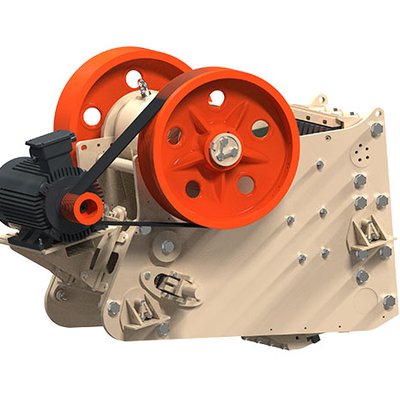
A jaw crusher is one of the most important pieces of equipment in a mining, quarrying, and aggregate production plant. As a primary crusher, it handles large and abrasive feed material before the material moves to secondary or tertiary crushing stages. Because the crusher operates under heavy loads, impact forces, dust, and continuous vibration, regular maintenance is essential for stable production and long-term equipment reliability.
A well-structured jaw crusher maintenance plan does more than prevent unexpected breakdowns. Regular inspection can help operators identify abnormal wear, lubrication problems, loose fasteners, bearing issues, and feeding problems before they develop into expensive failures. Manufacturer maintenance programs commonly divide inspection work into daily, weekly, monthly, and longer-term preventive maintenance activities.
This guide explains how to maintain a jaw crusher through daily inspections, weekly maintenance, and preventive maintenance planning, while also highlighting several common problems that can reduce crushing efficiency.
Why Is Jaw Crusher Maintenance Important?
Jaw crushers work by repeatedly compressing material between a fixed jaw plate and a movable jaw plate. This crushing action generates significant mechanical loads and vibration throughout the crusher. Components such as jaw dies, cheek plates, toggle assemblies, bearings, eccentric shafts, belts, and fasteners therefore experience continuous mechanical stress.
Without proper maintenance, relatively small problems can gradually affect the entire crushing system. For example, inadequate lubrication can increase bearing friction and temperature, while loose jaw plate fasteners can allow abnormal movement and accelerate wear. Similarly, uneven feeding can produce uneven jaw plate wear and reduce crushing performance.
Regular maintenance helps operators achieve several practical objectives:
Reduce unexpected equipment downtime.
Maintain stable crushing capacity.
Control the wear rate of jaw plates and other wear parts.
Protect bearings, eccentric shafts, and drive components.
Detect abnormal vibration, temperature, and noise at an early stage.
Improve equipment availability and operating reliability.
Extend the service life of major crusher components.
Make spare parts and shutdown planning more predictable.
Manufacturers and maintenance references consistently emphasize systematic inspection and record keeping rather than relying on reactive repairs after a component fails.
Daily Jaw Crusher Maintenance Checklist
Daily maintenance should be simple enough for operators to perform consistently but detailed enough to identify early warning signs. A daily inspection normally combines a pre-start inspection with observations made while the crusher is operating.
Inspect the Jaw Plates
The fixed and movable jaw plates are among the most heavily worn components in a jaw crusher. Operators should visually inspect the jaw dies for excessive wear, cracks, loose mounting components, broken teeth, and unusual wear patterns.
Uneven wear can indicate problems with feeding conditions, material distribution, crusher settings, or installation. When the wear profile approaches the limit specified by the crusher manufacturer, the operator should plan for rotation or replacement rather than waiting for the plate to fail.
The actual replacement limit should always follow the specific crusher model and manufacturer's recommendations because jaw plate geometry and wear allowance vary between designs.
What should operators check?
Operators should pay particular attention to:
Fixed jaw plate wear.
Movable jaw plate wear.
Cracks or broken sections.
Loose jaw plate bolts or wedges.
Uneven wear across the crushing chamber.
Excessive wear near the discharge area.
Material buildup around the jaw dies.
Check the Lubrication System
Proper lubrication is essential because jaw crusher bearings and other moving components operate under heavy loads and continuous vibration. During daily inspections, operators should check lubricant levels, lubrication lines, grease points, and signs of leakage.
Operators should also watch for changes in bearing temperature and operating noise. A sudden temperature increase, abnormal noise, or visible grease leakage can indicate a lubrication problem or developing mechanical fault.
The correct lubricant type, quantity, and lubrication interval should always come from the crusher manufacturer's manual. Different crusher designs may use different lubrication systems, and operators should not assume that the same grease or oil specification applies to every machine.
One important maintenance principle is that more grease does not necessarily mean better lubrication. Excessive grease can increase heat generation and may damage seals, particularly in heavily contaminated environments.
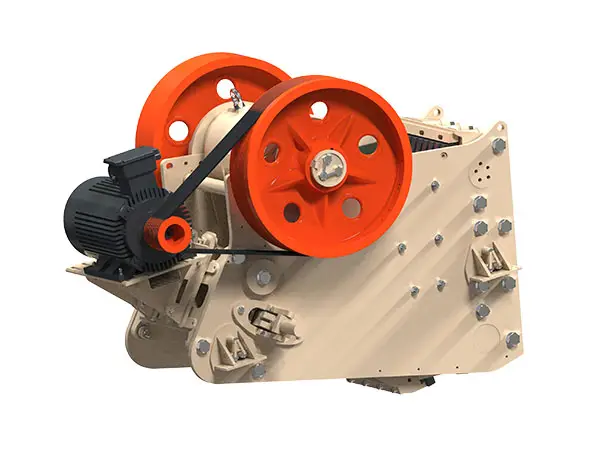
Monitor Bearing Temperature
The eccentric shaft bearings are critical components of a jaw crusher. Their condition directly affects machine reliability, and abnormal temperature changes can provide an early indication of lubrication problems, excessive loading, contamination, or bearing wear.
Instead of looking only at one temperature value, maintenance personnel should establish a normal operating baseline for the specific crusher and monitor changes over time.
A sudden increase from the normal operating condition deserves investigation, especially when the temperature rise occurs together with abnormal noise or vibration.
Inspect Bolts, Fasteners and Guards
Jaw crushers generate continuous vibration, which can gradually loosen bolts and other fasteners if they are not inspected regularly. Operators should visually inspect frame connections, jaw plate mounting components, toggle areas, bearing housings, motor mounts, guards, and other critical fasteners.
Safety guards also require regular inspection. A missing, damaged, or improperly installed guard should be corrected before normal operation resumes.
Check the Feed Material
The quality and consistency of the feed material have a direct influence on crusher performance and wear.
Operators should monitor whether the feed contains oversized material, tramp metal, excessive fines, sticky clay, or unusually wet material. They should also check whether the material is distributed evenly across the crushing chamber.
An uneven feed can produce an uneven wear pattern and may cause the crusher to operate under an unbalanced load. Consistent feeding therefore forms an important part of jaw crusher maintenance rather than being only a production concern.
Inspect the Discharge Area
A blocked discharge chute or conveyor can quickly create an abnormal operating condition because crushed material cannot leave the crusher efficiently.
Operators should confirm that the discharge area remains clear and that downstream conveyors are operating normally. Any material buildup should be addressed using the site's approved shutdown and isolation procedures.
Operators should never attempt to remove trapped material from an operating crusher.
Listen for Abnormal Noise and Watch for Excessive Vibration
Experienced operators can often identify developing problems through changes in machine sound and vibration.
Grinding, knocking, squealing, or unusual impact sounds may indicate problems involving bearings, belts, jaw plates, fasteners, the toggle system, or other mechanical components.
If vibration increases significantly compared with the normal operating condition, the crusher should be investigated according to the manufacturer's troubleshooting and safety procedures rather than simply continuing production.
Weekly Jaw Crusher Maintenance
Daily inspections focus mainly on early detection, while weekly maintenance allows technicians to perform more detailed checks and corrective work.
A weekly inspection should normally cover the lubrication system, jaw plates, belts, bearings, flywheel, toggle mechanism, fasteners, and supporting structures.
Check Jaw Plate Wear More Carefully
Weekly maintenance should include a more detailed assessment of jaw die wear. Operators should compare the actual wear condition with the manufacturer's recommended wear limits.
Measuring wear instead of relying only on visual judgment can make replacement planning more accurate. Maintenance records can also help the plant estimate how quickly the jaw plates are wearing under a particular material and operating condition.
If one area wears significantly faster than another, technicians should investigate the feeding pattern, CSS setting, installation condition, and material characteristics.
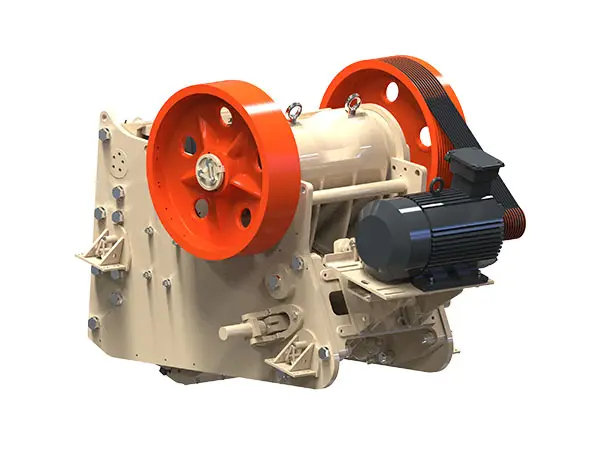
Inspect and Lubricate Bearings
Weekly maintenance should include a detailed check of the crusher's bearing lubrication system.
Before applying grease, maintenance personnel should clean the lubrication fittings so that dust and abrasive particles do not enter the lubrication system. The maintenance team should also verify that grease reaches the intended lubrication point and that there are no blocked lines or abnormal leaks.
The maintenance team should follow the OEM's specified grease type and quantity rather than using a generic lubrication schedule.
Check V-Belt Tension and Alignment
The drive belt transfers power from the motor to the crusher. Incorrect belt tension can cause slippage, overheating, premature belt wear, and inefficient power transmission.
During weekly maintenance, technicians should inspect:
Belt tension.
Belt alignment.
Cracks or surface damage.
Uneven wear.
Pulley condition.
Material buildup around the drive system.
Maintenance personnel should only inspect or adjust belts after the crusher has been shut down and isolated according to the applicable safety procedure.
Inspect the Toggle Plate and Toggle Seats
The toggle plate plays an important role in the jaw crusher's crushing mechanism and protection system. Technicians should inspect the toggle plate and its seating surfaces for cracks, deformation, abnormal wear, or misalignment.
Any significant damage should be addressed before the crusher returns to normal operation because a damaged toggle assembly can affect both performance and equipment safety.
Inspect the Flywheel
The flywheel stores rotational energy and contributes to the smooth operation of the crushing cycle.
During weekly maintenance, technicians should inspect the flywheel for material buildup, visible damage, loose components, and abnormal movement. Any unusual vibration associated with the flywheel should receive immediate attention because rotating components contain significant stored energy.
Preventive Maintenance for Jaw Crushers
Preventive maintenance goes beyond routine inspection. It uses operating hours, wear measurements, maintenance records, and equipment condition to determine when components should be inspected, adjusted, repaired, or replaced.
A preventive maintenance program should be adapted to the crusher model, feed material, operating hours, production requirements, environmental conditions, and manufacturer's service recommendations.
Monthly Preventive Maintenance
A monthly inspection can provide a more comprehensive assessment of the crusher.
Technicians can inspect:
Jaw plate and cheek plate wear.
Toggle plate and toggle seats.
Bearing condition and shaft play.
Frame and foundation bolts.
Eccentric shaft condition.
Lubrication system.
Belts and pulleys.
Flywheel condition.
Crusher discharge setting.
Hydraulic adjustment systems, where applicable.
Safety guards and protection devices.
Feed hopper and discharge chute.
Some manufacturer maintenance schedules also include inspection of oil or grease contamination, filters, seals, and other components that may reveal internal wear.
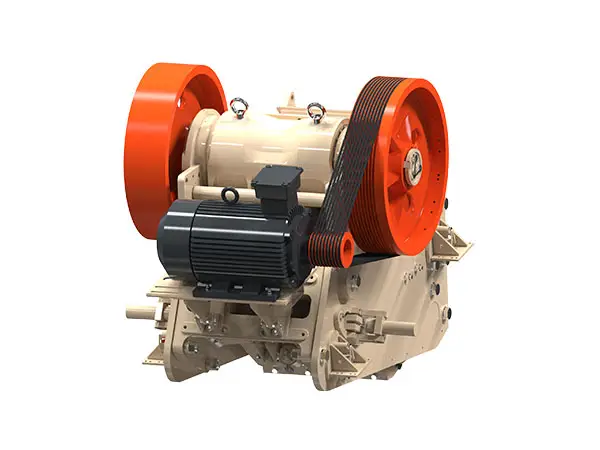
Lubrication Maintenance: What Operators Should Know
Lubrication is one of the most important aspects of jaw crusher maintenance, but lubrication requirements differ between crusher models.
A practical lubrication program should answer four questions:
Which components require lubrication?
What lubricant should be used?
How much lubricant should be applied?
How frequently should lubrication be performed?
The answers should come from the manufacturer's maintenance manual.
Operators should avoid mixing different grease types unless compatibility has been confirmed. They should also keep grease fittings clean and inspect lubrication lines for blockage or leakage.
In dusty mining and quarry environments, sealing becomes particularly important because abrasive particles can contaminate lubricant and accelerate bearing wear.
Jaw Plate Maintenance and Replacement
Jaw plates are consumable wear parts, so replacing them is a normal part of crusher operation. The objective is not to eliminate jaw plate replacement but to achieve predictable wear and obtain the maximum useful life from each set.
Operators should monitor the wear pattern rather than waiting until the jaw plate becomes severely damaged.
Common signs that jaw plates require attention include:
Significant reduction in tooth profile.
Excessive smooth or flat wear.
Cracks or broken sections.
Loose mounting components.
Uneven wear between the fixed and movable dies.
Reduced crushing capacity.
Changes in product size distribution.
The correct replacement point depends on the jaw plate design and crusher model. Some published maintenance guides provide numerical replacement thresholds, but those values should not be treated as universal specifications for every jaw crusher. The OEM wear limit should take priority.
How Feeding Conditions Affect Jaw Crusher Maintenance
Crusher maintenance does not start after the machine stops. It begins with how material enters the crushing chamber.
An inconsistent feed can create uneven loading, while oversized material can increase impact forces. Tramp metal can also damage wear components or cause an unexpected shutdown.
For this reason, operators should maintain a stable feed rate and use suitable upstream screening or separation equipment where necessary.
A properly designed feeding system can help the jaw crusher operate more consistently and can reduce unnecessary stress on wear parts.
Keep a Jaw Crusher Maintenance Record
A maintenance log can turn routine inspections into useful operational data.
The maintenance team should record:
Crusher operating hours.
Jaw plate installation and replacement dates.
Jaw plate wear measurements.
Bearing temperature trends.
Lubrication activities.
Belt inspection results.
Unexpected shutdowns.
Abnormal vibration or noise.
Repair activities.
Replacement parts and failure causes.
Production conditions associated with unusual wear.
Over time, these records can help the plant identify recurring problems and estimate component service life under actual operating conditions.
For example, if the maintenance team records jaw plate wear against operating hours and feed characteristics, it becomes easier to plan future replacements before production is affected.
Safety Comes Before Jaw Crusher Maintenance
Jaw crusher maintenance involves moving components, stored mechanical energy, heavy wear parts, and potentially trapped material. Maintenance personnel should therefore follow the crusher manufacturer's safety procedures and the site's lockout/tagout or equivalent energy-isolation procedures.
Before inspection, adjustment, cleaning, or component replacement, the crusher and associated equipment should be shut down and isolated from all relevant energy sources. Personnel should confirm that moving components have completely stopped and that stored energy or trapped material has been safely controlled.
Operators should never reach into the crushing chamber or attempt to remove blockages while the equipment is capable of movement.
Sandvik's jaw crusher training materials, for example, place health and safety procedures alongside equipment operation and maintenance training, emphasizing safe preparation before disassembly and maintenance work.
How to Build an Effective Jaw Crusher Preventive Maintenance Program
An effective maintenance program should combine inspection, measurement, documentation, and planned intervention.
Instead of waiting for a component to fail, the maintenance team can establish a process such as:
Step 1: Establish a Baseline
Record normal bearing temperatures, vibration behavior, power consumption, crushing capacity, and wear rates under normal operating conditions.
Step 2: Create Daily Inspection Procedures
Operators should complete a standardized inspection before or during each operating shift and report abnormalities immediately.
Step 3: Schedule Weekly Technical Checks
Maintenance technicians should perform more detailed inspections of lubrication, wear parts, belts, bearings, toggle components, and fasteners.
Step 4: Measure Wear
The maintenance team should use actual measurements rather than visual judgment alone when evaluating jaw plate and other wear-part conditions.
Step 5: Analyze Maintenance Records
The plant should compare operating hours, wear rates, downtime, and replacement history to identify recurring problems.
Step 6: Plan Shutdown Maintenance
The plant should schedule component replacement and major inspections during planned shutdowns whenever possible instead of waiting for unexpected failure.
This approach transforms jaw crusher maintenance from a reactive repair activity into a structured equipment management process.
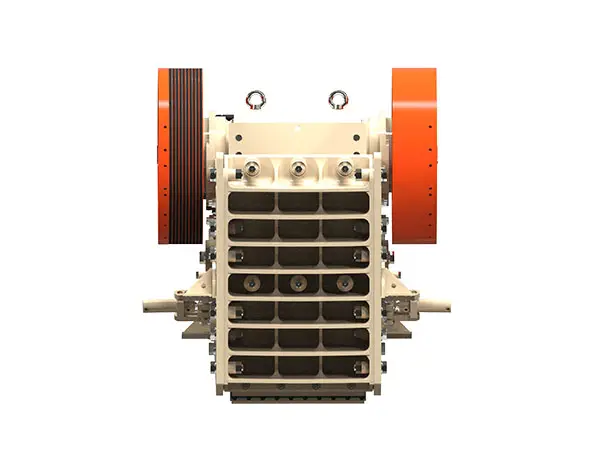
Final Thoughts
A jaw crusher can deliver reliable primary crushing performance for many years when operators combine correct operating practices with systematic maintenance. Daily inspections help identify visible problems early, weekly maintenance provides deeper checks of critical mechanical components, and preventive maintenance allows the plant to plan repairs and component replacement before unexpected failures interrupt production.
The most important principle is consistency. Operators should not wait for abnormal noise, overheating, excessive vibration, or a broken jaw plate before inspecting the crusher. Regular lubrication, wear monitoring, fastener inspection, controlled feeding, and accurate maintenance records can help maintain stable crushing performance and reduce avoidable downtime.
For mining, quarrying, and aggregate operations, jaw crusher maintenance should be treated as an integral part of production management rather than an emergency repair activity.
If your operation is selecting a new jaw crusher or looking to improve the reliability of an existing crushing line, equipment selection should consider feed size, material hardness and abrasiveness, required capacity, discharge size, operating environment, maintenance accessibility, and available after-sales support. A crusher manufacturer with appropriate engineering and service capabilities can also help develop a maintenance plan around the actual application rather than relying on a generic schedule.