Mobile Screening Plant

Mobile Screening Plant

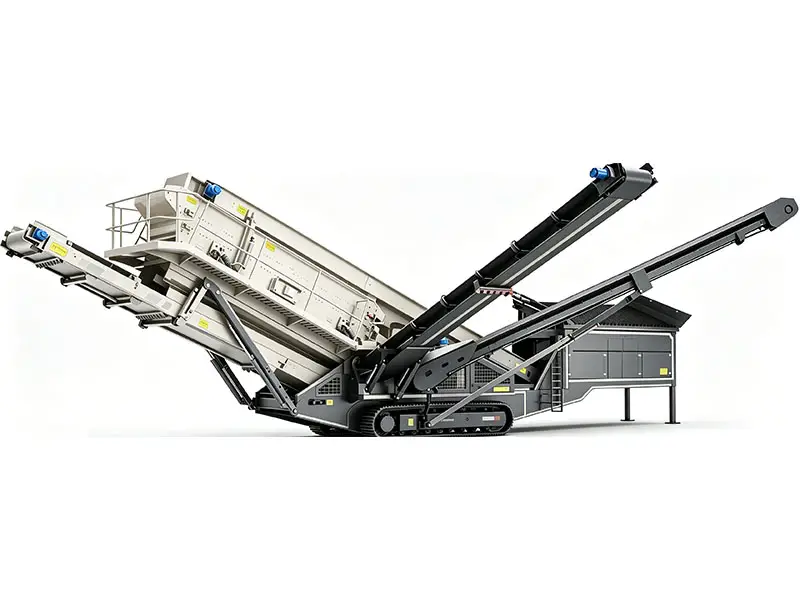
Track-Mounted 1,200 tph Mobile Screening Plant with 6.5 m² Double-Deck Screen

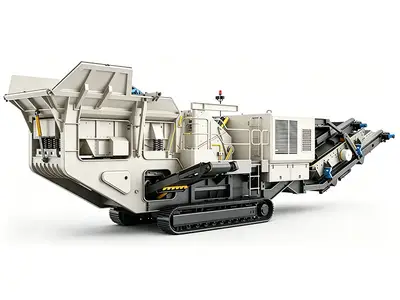
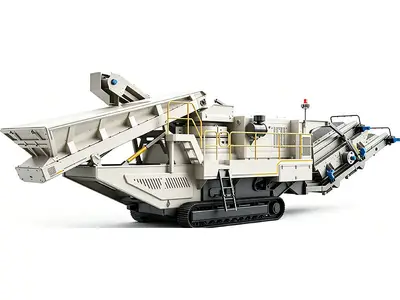
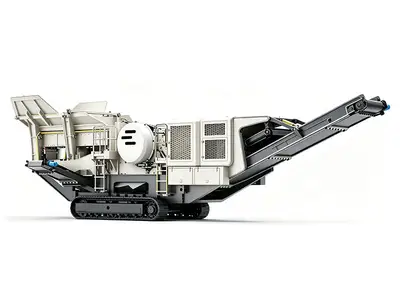
The mobile screening plant is a track-mounted, self-propelled unit built for quarry operators, recycling contractors, and construction aggregate producers who need high-capacity separation on the move. Its 3.5 m³ feed hopper and 6.5 m² double-deck screen deliver a maximum throughput of 1,200 tonnes per hour, making it suitable for primary and secondary screening of blasted rock, C&D waste, and sand and gravel.

Maximum Throughput
1,200 tph
Screen Deck Size
6.5 m² (double-deck)
Engine Power
74 kW (Tier 4 Final)
Weight
24,500 kg

How Does the 1,200 tph Mobile Screening Plant Handle Variable Feed Conditions?

The Mobile Screening Plant is defined by its 3.5 m³ feed hopper and 6.5 m² double-deck screen, which together support a maximum throughput of 1,200 tonnes per hour. The hopper accepts material up to 600 mm in size, and the variable-speed belt feeder (0.3–1.2 m/s) allows operators to match the feed rate to the screen's capacity, preventing overload and reducing blinding. The double-deck configuration produces three product fractions simultaneously—for example, 0–5 mm, 5–20 mm, and +20 mm—with a screening efficiency of 85–92% depending on moisture content. The track-mounted undercarriage uses 400 mm wide steel tracks with a ground pressure of 0.65 kg/cm², enabling operation on soft ground and slopes up to 15 degrees. This specification is not a generic mobile screen; it is a production-class unit built for continuous duty in abrasive environments.

Typical applications include quarry face screening after blasting, where the plant separates oversize rock for secondary crushing while producing saleable aggregate; construction and demolition waste recycling, where it removes fines and ferrous contamination before further processing; and sand and gravel pit operations, where it produces specification-grade material for concrete and asphalt. The 1,200 tph capacity means a single unit can replace two smaller screens on a large site, reducing labor and fuel costs per tonne. The hydraulic folding discharge conveyor is a key differentiator: it folds to a transport length of 12.5 m, so the plant can be moved on a standard low-bed trailer without removing the conveyor—a process that typically takes 30–45 minutes on competing models.

Compared to the smaller 800 tph model in the same series, this 1,200 tph version uses a wider 1,200 mm discharge conveyor and a heavier-duty screen box with reinforced side plates, which extends the service life of the screen media by approximately 25% in hard-rock applications. The engine is a 74 kW Tier 4 Final unit with a 200 L fuel tank, providing 10–12 hours of continuous operation. The plant also includes a radio remote control with a 100 m range, allowing the operator to adjust tracking, feeder speed, and conveyor folding from the excavator cab. For contractors who need to move between sites weekly, the track system and hydraulic folding functions reduce mobilization time to under 15 minutes from arrival to production.

  • Feed hopper capacity of 3.5 m³ with 600 mm maximum feed size and variable-speed belt feeder (0.3–1.2 m/s) for consistent material flow.
  • 6.5 m² double-deck screen with optional polyurethane or woven wire media, achieving 85–92% screening efficiency and producing three product fractions.
  • Track-mounted undercarriage with 400 mm steel tracks and 0.65 kg/cm² ground pressure, suitable for slopes up to 15 degrees and soft ground conditions.

Core Technical Features and Quantified Advantages

STEP 1

3.5 m³ Feed Hopper with Variable-Speed Belt Feeder

The 3.5 m³ hopper is lined with 10 mm wear-resistant steel plates and accepts material up to 600 mm. The variable-speed belt feeder (0.3–1.2 m/s) is controlled via the radio remote or the onboard panel, allowing the operator to match feed rate to screen capacity. This prevents overload and reduces screen blinding by up to 30% compared to fixed-speed feeders. The hopper also features hydraulic folding wings that reduce transport width to 2.8 m.

STEP 2

6.5 m² Double-Deck Screen with 85–92% Efficiency

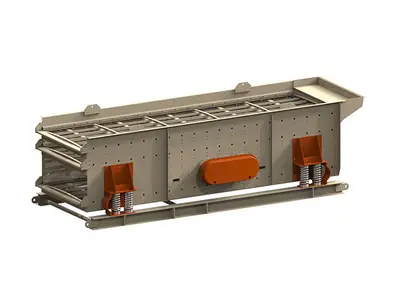
The double-deck screen measures 6.5 m² and is available with polyurethane or woven wire media. It produces three product fractions simultaneously, with a screening efficiency of 85–92% depending on material moisture. The screen box is mounted on heavy-duty coil springs and uses a 1,200 rpm vibrator unit with adjustable amplitude (4–8 mm), allowing optimization for different materials. Reinforced side plates extend the service life of the screen media by 25% in hard-rock applications.

STEP 3

Track-Mounted Undercarriage with 0.65 kg/cm² Ground Pressure

The plant uses 400 mm wide steel tracks with a ground pressure of 0.65 kg/cm², enabling operation on soft ground and slopes up to 15 degrees. The track system is driven by independent hydraulic motors with a maximum travel speed of 1.2 km/h. A radio remote control with 100 m range allows one operator to reposition the plant in under three minutes, reducing labor costs and improving site safety by keeping personnel away from the machine during tracking.

STEP 4

Hydraulic Folding Discharge Conveyor for 12.5 m Transport Length

The main discharge conveyor hydraulically folds for transport, reducing the overall length to 12.5 m without removing the conveyor. This eliminates the 30–45 minute disassembly and reassembly time required on competing models. The conveyor is 1,200 mm wide and discharges to a stockpile height of 3.6 m. The belt is 3-ply EP with a 10 mm top cover, suitable for abrasive materials. The folding function is controlled from the radio remote, allowing one person to prepare the plant for transport.

FAQs about Mobile Screening Plant

Similar Models