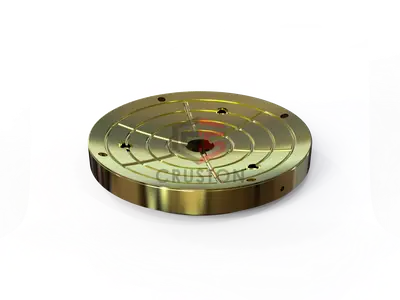
How Does a Flywheel Improve Machine Performance and Energy Efficiency?
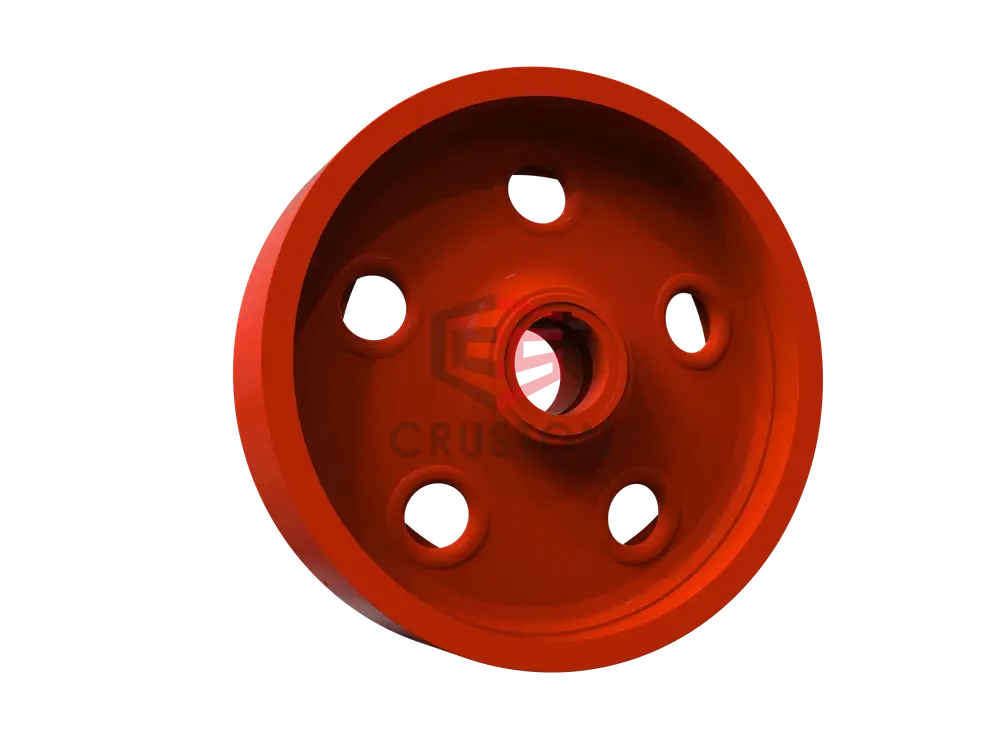
A flywheel is a rotating mechanical component that stores kinetic energy, proportional to its moment of inertia and the square of its rotational speed. This flywheel is available in diameters from 200mm to 2000mm and weights from 10kg to 5000kg, with material options of cast iron GG25 or steel C45. The moment of inertia ranges from 0.5 kg·m² to 500 kg·m², depending on size and material. Each flywheel is dynamically balanced to ISO 1940 G6.3, which limits residual unbalance to 6.3 mm/s, reducing vibration and bearing wear. The machined surface finish of Ra 3.2μm ensures proper fit and reduces stress concentrations. Operating temperature range is -20°C to 120°C, suitable for most industrial environments.
Typical applications include punch presses, where the flywheel stores energy between strokes to reduce motor size; crushers and hammer mills, where it maintains momentum during sudden load spikes; generators and engines, where it smooths torque fluctuations; and marine propulsion systems, where it reduces torsional vibration. In a punch press, a 500kg flywheel at 500 RPM can store approximately 34 kJ of energy, enough to deliver a 100-ton punch without stalling the motor. The flywheel also reduces peak power demand, lowering electricity costs and extending motor life. For crushers, the flywheel ensures continuous operation even when large rocks cause temporary overloads.
Compared to smaller flywheels in the same series, this heavy-duty version offers higher energy storage capacity and is designed for continuous industrial use. The 2000mm diameter unit can weigh up to 5000kg and store over 1 MJ of energy, making it suitable for large stamping presses and mining equipment. The cast iron GG25 construction provides excellent vibration damping, while the steel C45 option offers higher strength for high-speed applications. Custom keyways, taper locks, and bolt patterns are available to match specific shafts. All flywheels undergo non-destructive testing and dynamic balancing before shipment.
- ISO 1940 G6.3 balancing grade ensures low vibration and long bearing life.
- Cast iron GG25 or steel C45 construction for durability and damping.
- Customizable keyway and bolt patterns for easy integration.
- Operating temperature range -20°C to 120°C for harsh environments.