How Does the 180mm Intermediate Friction Disc Perform in Wet Brake Applications?
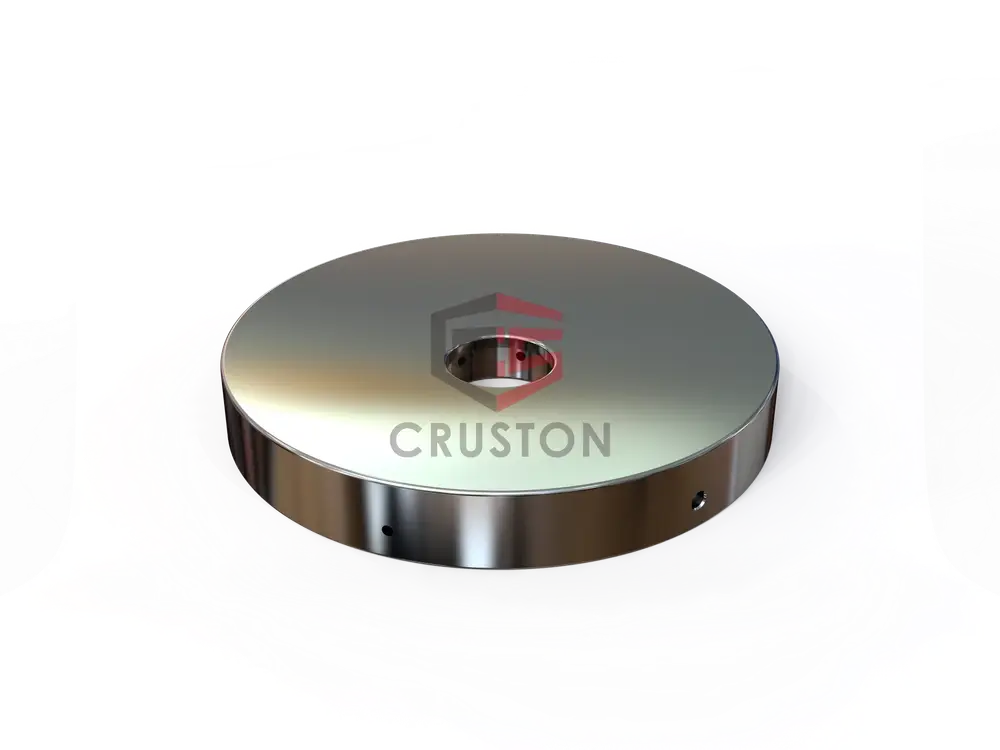
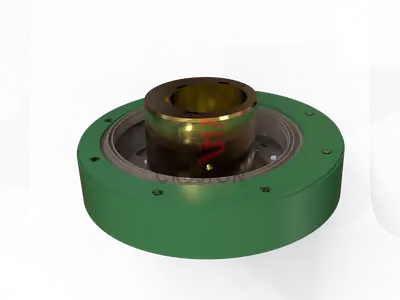
The 180mm intermediate friction disc is defined by its precise dimensions: 180mm outer diameter, 100mm inner diameter, and 3.5mm thickness. The core is a sintered bronze matrix, which offers a thermal conductivity of 55 W/m·K—roughly three times that of typical steel cores. This means heat generated during engagement is drawn away from the friction interface more efficiently, reducing the risk of lining glazing. The friction lining is a paper-based composite with a dry friction coefficient of 0.42 and a dynamic coefficient of 0.38 at 200°C. Torque capacity is rated at 450 Nm under continuous duty, with a maximum static torque of 600 Nm. The disc is designed for wet operation, meaning it runs in an oil bath, which further extends lining life by minimizing oxidation and cooling the surfaces. This specific 3.5mm thickness is critical for intermediate positions in multi-disc packs: it allows for proper oil flow between discs while maintaining adequate clamping force from the piston.
Typical application scenarios for this intermediate friction disc include forklift transmissions, where precise modulation during inching and lifting is required; winch brakes on marine and construction equipment, where holding torque must be maintained without slippage; and differential locks in off-highway vehicles, where the disc must endure frequent engagement under load. The 180/100mm footprint is common in ZF and Dana transmission families, making this disc a direct-fit component for those systems. The key pain point this disc solves is inconsistent torque fade in high-cycle operations: the sintered bronze core and paper lining combination maintains a stable friction coefficient across a wide temperature range, from -30°C to 200°C, so operators experience predictable braking force even after repeated stops. In field trials on a 5-ton forklift, this disc showed less than 0.08mm wear after 10,000 cycles at 300 Nm, compared to 0.15mm for a standard steel-core disc.
Compared to other intermediate friction discs in the same 180mm family, this version stands out in three ways. First, the 3.5mm thickness is 0.5mm thinner than the heavy-duty variant, which reduces inertia by 12% and improves response time in rapid cycling applications. Second, the paper-based lining is formulated with a higher graphite content (8% by weight) than the standard lining (5%), which lowers the dynamic friction coefficient slightly but improves wear resistance by 20% in wet conditions. Third, the sintered bronze core is machined with a 0.8μm surface finish on the splines, ensuring a precise fit on the shaft and reducing fretting corrosion. These differences matter for applications where space is tight and maintenance intervals are long—such as in automated guided vehicles (AGVs) or conveyor drives—where a thinner, low-wear disc can extend service life without compromising torque capacity.
- Thermal conductivity of 55 W/m·K in the sintered bronze core reduces peak interface temperatures by 15–20°C compared to steel-core discs.
- Wear rate of less than 0.08mm per 10,000 cycles at 300 Nm, verified in wet-brake dynamometer testing per SAE J2496.
- Friction coefficient stability within ±0.03 across the operating temperature range of -30°C to 200°C, ensuring consistent torque output.