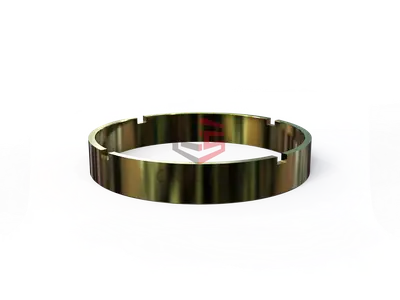
How Does the 225mm Lower Friction Disc Reduce Drag in Manual Transmissions?
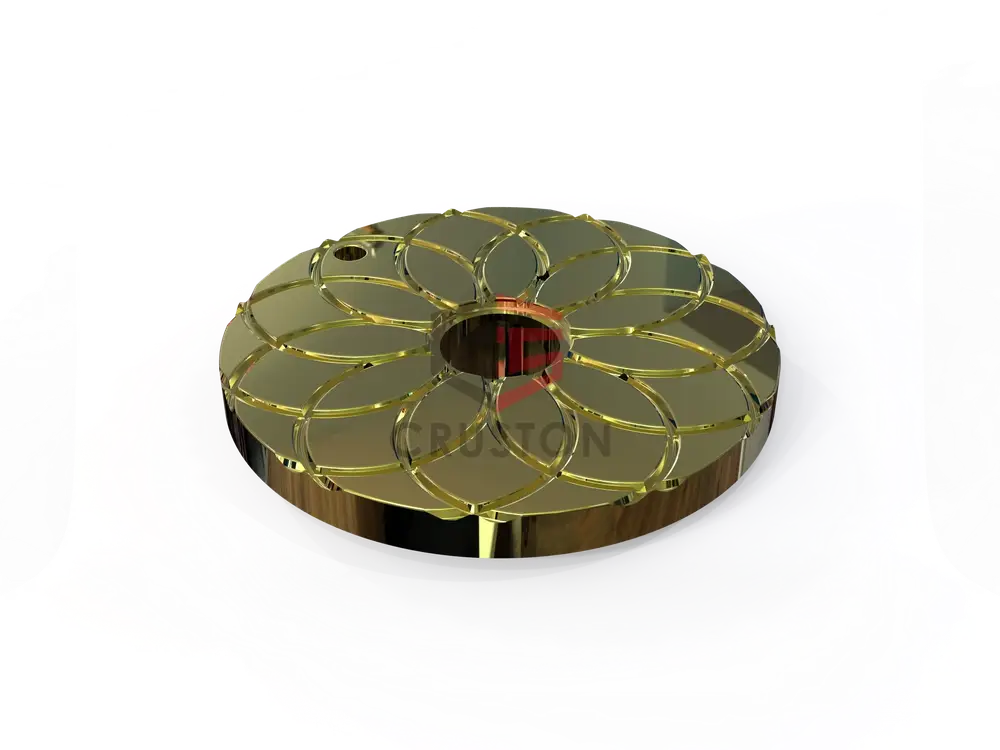
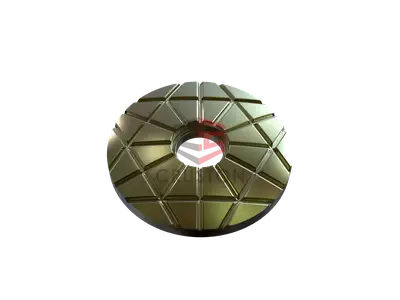
The lower friction disc is a 225mm outer diameter, 150mm inner diameter, 3.2mm thick component that sits in the lower position of a twin-plate clutch pack or synchronizer assembly. Its primary function is to provide a controlled friction surface that prevents unintended torque transfer when the clutch is disengaged. The sintered bronze facing is bonded to a stamped steel core, and the disc is finished with a flatness tolerance of 0.05mm total indicator reading. This precision ensures uniform contact with the mating plate, eliminating localized pressure spikes that cause chatter and premature wear. The 3.2mm thickness is critical: too thin, and the disc deflects under load; too thick, and it consumes axial space needed for the release mechanism. This specific dimension is matched to transmissions that use a 225mm clutch diameter, such as the ZF S5-42 and Eaton FS-4205A gearboxes found in light commercial vehicles.
In manual transmissions, the lower friction disc addresses the persistent problem of drag torque. When the driver disengages the clutch, residual friction between the disc and the flywheel or pressure plate can cause the input shaft to keep spinning, leading to gear clash during engagement. The sintered bronze facing has a static coefficient of friction of 0.08, which is significantly lower than the 0.25–0.35 of organic facings. This low friction value, combined with oil-slinger grooves that channel lubricant away from the contact patch, reduces drag torque by up to 40% compared to standard organic discs. The result is smoother gear engagement, reduced synchronizer wear, and longer transmission life. This disc is particularly suited for stop-and-go delivery vehicles and industrial forklifts where frequent shifting is the norm.
Compared to the upper friction disc in the same assembly, this lower disc features a different groove pattern and a slightly harder bronze matrix. The upper disc is designed for higher heat rejection during engagement, while the lower disc prioritizes low drag and consistent release. The 150mm inner diameter provides clearance for the input shaft bearing retainer, and the 3.2mm thickness allows it to fit between the intermediate plate and the lower pressure plate without shimming. Unlike generic friction discs that are machined from bulk sheet, this disc is individually sintered and calibrated, ensuring that the friction coefficient varies by no more than ±0.01 across the surface. This consistency is essential for transmissions that rely on precise clutch release characteristics.
- Sintered bronze facing with 0.08 static coefficient of friction reduces drag torque by up to 40% versus organic discs.
- Flatness tolerance of 0.05mm TIR ensures uniform contact and prevents hot spots and chatter.
- Oil-slinger grooves evacuate lubricant to avoid hydroplaning and maintain consistent release.
- Riveted steel core withstands 4500 N clamping force without distortion.