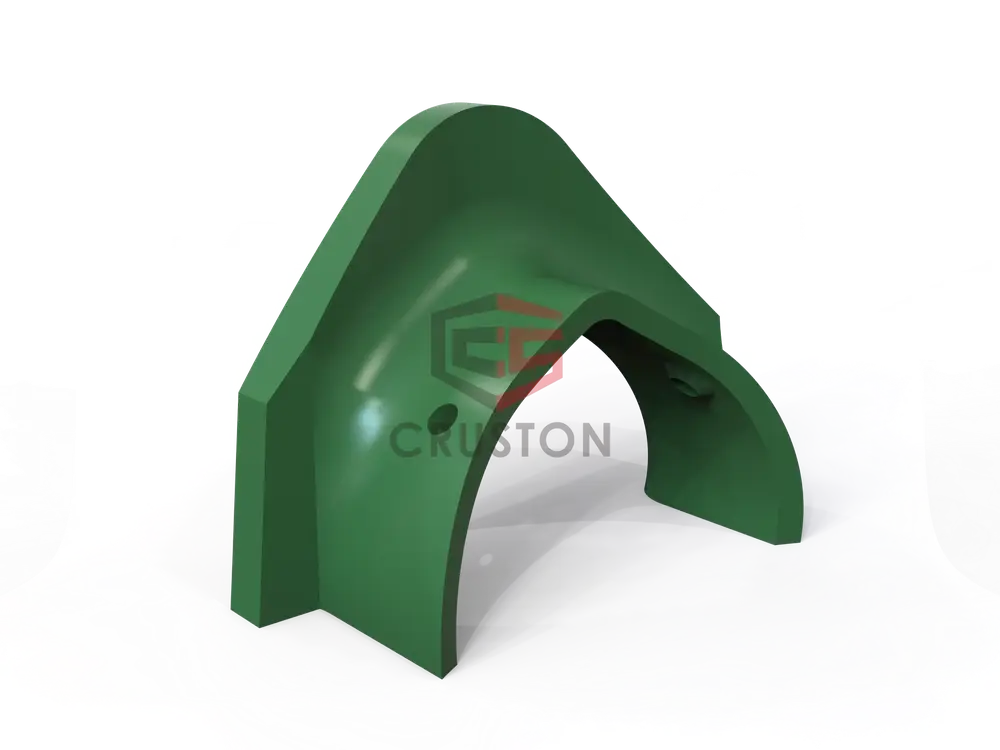
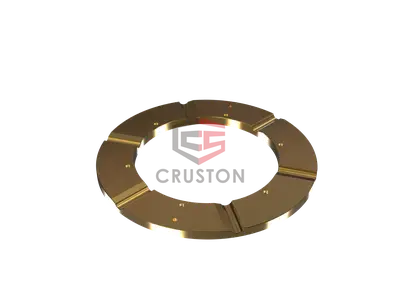
Narrow liner plate

Narrow Liner Plate

Narrow Liner Plate for 150-300mm ID Chutes – 65Mn Steel, 48-52 HRC

The narrow liner plate is a wear-resistant component specifically engineered for chutes, hoppers, and transfer points with internal diameters between 150mm and 300mm. Manufactured from 65Mn spring steel with a hardness of 48-52 HRC, it provides reliable protection against abrasive materials in space-constrained areas.

Material Grade
65Mn spring steel
Hardness
48-52 HRC
Width Range
50-150mm
Tolerance
±0.5mm

How to Select the Right Narrow Liner Plate for Your Chute System?

The narrow liner plate is a dedicated wear part designed for chutes and hoppers with internal diameters from 150mm to 300mm. Its core specification is the reduced width range of 50-150mm, which allows installation in confined spaces where standard liner plates (typically 200-400mm wide) cannot be accommodated. Made from 65Mn spring steel, the plate achieves a hardness of 48-52 HRC after quenching and tempering, providing an optimal balance of wear resistance and impact toughness. Thickness options from 3mm to 6mm enable engineers to match the liner to specific abrasive conditions: 3-4mm for fine materials with low impact, 5-6mm for coarse aggregates or high-drop applications. The plate is supplied in lengths from 500mm to 2000mm, and can be cut or drilled to suit individual mounting patterns. This product is not a one-size-fits-all solution; it is specifically sized for narrow-flow equipment, ensuring proper coverage without obstructing material flow.

Typical applications include transfer chutes in aggregate plants, feed hoppers in mining operations, and discharge spouts in concrete batching. In these scenarios, the narrow liner plate solves the problem of accelerated wear in small-diameter chutes where material velocity is high and turbulence causes rapid abrasion. For example, a 200mm ID chute handling 20mm crushed stone may experience wear rates of 2-3mm per month on mild steel; the 65Mn liner with 48-52 HRC hardness can reduce this to 0.5-1mm per month, extending replacement intervals by 3-4 times. The plate's narrow width also minimizes the risk of bridging or blockage, as it conforms closely to the chute contour without creating ledges. Target industries include mining, quarrying, cement production, and bulk material handling where space constraints are common.

Compared to wider liner plates in the same series, this narrow variant offers distinct advantages for specific equipment. Standard liner plates (200-400mm wide) are suitable for large chutes and hoppers with ample space, but they often require cutting or trimming when used in narrow chutes, leading to wasted material and potential fit issues. The narrow liner plate eliminates this problem by providing a ready-to-install width that matches small-diameter chutes, reducing installation time by up to 30% and minimizing material waste. Additionally, the narrower width allows for more flexible mounting patterns, especially in curved or angled chute sections. While wider plates may offer higher coverage per piece, they are not practical for confined spaces; the narrow liner plate fills this gap with a targeted solution that maintains the same material grade and hardness as the wider series.

  • Material grade 65Mn ensures through-hardening to 48-52 HRC, verified by Rockwell testing on every batch.
  • Width range 50-150mm fits chutes with ID 150-300mm, reducing installation time by 30% compared to cutting wider plates.
  • Thickness options 3-6mm allow tailored wear life: 3mm for fine materials, 6mm for coarse aggregates with high impact.
  • Length up to 2000mm minimizes joints and potential leak points in continuous chute linings.

Core Technical Features and Quantified Advantages

STEP 1

65Mn Steel with 48-52 HRC Hardness

The narrow liner plate is made from 65Mn spring steel, a high-carbon manganese alloy known for its excellent combination of hardness and toughness. After quenching and tempering, the plate achieves a uniform hardness of 48-52 HRC, verified by Rockwell testing on every batch. This hardness level provides superior resistance to sliding abrasion compared to mild steel (typically 150-200 HB), while maintaining enough toughness to withstand impact from falling materials. In field tests, 65Mn liners outlast A36 mild steel by 3-4 times in aggregate chutes. The material also offers good weldability and can be drilled or cut with standard tools, facilitating on-site modifications.

STEP 2

Narrow Width 50-150mm for Confined Spaces

With a width range of 50-150mm, this liner plate is specifically designed for chutes and hoppers with internal diameters between 150mm and 300mm. Standard liner plates are typically 200-400mm wide and require cutting to fit narrow chutes, leading to wasted material and installation delays. The narrow liner plate eliminates this step, providing a ready-to-install solution that reduces installation time by up to 30%. The narrow profile also minimizes the risk of material bridging and ensures unobstructed flow, which is critical in small-diameter chutes where even minor protrusions can cause blockages. This feature is particularly valued in mobile crushing plants and retrofitted systems where space is at a premium.

STEP 3

Thickness Options 3-6mm for Tailored Wear Life

The liner plate is available in thicknesses from 3mm to 6mm, allowing engineers to match the liner to specific operating conditions. For fine materials with low impact, a 3mm plate provides adequate wear resistance while minimizing weight and cost. For coarse aggregates or high-drop applications, a 6mm plate offers extended service life and better impact resistance. The thickness tolerance is ±0.5mm, ensuring consistent fit and predictable wear patterns. This range covers a broad spectrum of wear rates: in a typical aggregate chute, a 3mm plate may last 3-6 months, while a 6mm plate can last 12-18 months, depending on material abrasiveness and flow velocity.

STEP 4

Length up to 2000mm for Continuous Coverage

Each narrow liner plate can be supplied in lengths from 500mm to 2000mm, enabling continuous lining of chute sections with fewer joints. Fewer joints mean reduced potential for material leakage and less time spent on installation and maintenance. The plates can be butted together or overlapped, and are pre-drilled to match common bolt patterns (M8 or M10). The 2000mm length is particularly useful for long transfer chutes, where minimizing the number of plates reduces the risk of loose fasteners and extends the overall lining life. Custom lengths are available upon request, but the standard range covers most applications without modification.

FAQs about Narrow Liner Plate

Similar Models