How Does the Rear Frame Structure Ensure Stability in Industrial Machinery?
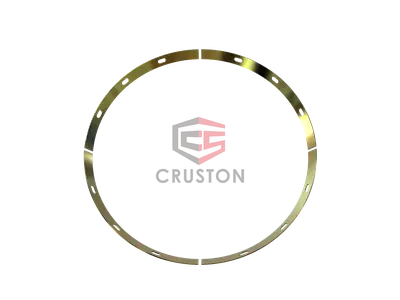
The Rear Frame Structure is a welded assembly made from Q345B carbon steel, with overall dimensions of 1200mm × 800mm × 600mm and a rated load capacity of 800kg. It is specifically designed to support and align rear-mounted components such as gearboxes, drive units, and control panels in industrial equipment. The frame features precision jig welding that maintains flatness within 0.5mm per meter, ensuring that mating parts fit without shimming. Mounting holes are M12 clearance type at 100mm pitch, compatible with standard M10 bolts. The structure is hot-dip galvanized to 80μm thickness, providing corrosion resistance for indoor and sheltered outdoor use. This frame is not a generic weldment; it is built to drawing tolerances that reduce assembly time and prevent misalignment in critical drive trains.
Typical applications include assembly line stations, conveyor drive frames, packaging machinery bases, and retrofit projects where a robust rear support is needed. In automotive assembly, this frame holds rear axle fixtures and maintains alignment under repeated cyclic loads. In material handling, it serves as the rear anchor for belt conveyor tensioning systems, where the 800kg load capacity accommodates motors up to 75kW. The 1200mm span allows clearance for pulleys and couplings, while the 600mm height provides a low center of gravity. Unlike lighter frames, this structure resists twisting when subjected to torque from driven equipment, thanks to its Q345B steel construction and full-penetration welds on primary load paths.
Compared to other rear frame structures in the series, this 1200mm × 800mm model is the mid-size option, balancing footprint and load capacity. The smaller 800mm × 600mm variant is suited for light-duty applications up to 300kg, while the larger 1600mm × 1000mm model handles up to 1500kg. This frame's 800kg capacity and 1200mm span make it ideal for standard industrial drives, offering a 30% weight reduction over the larger model without compromising rigidity for most conveyor and assembly tasks. The M12 hole pattern is common across the series, allowing interchangeability of mounted components. For projects requiring frequent reconfiguration, this frame can be fitted with optional leveling feet (not included) to compensate for floor unevenness up to 10mm.
- Jig-welded construction maintains flatness within 0.5mm/m, reducing assembly rework by up to 40% compared to non-jigged frames.
- Hot-dip galvanized coating of 80μm meets ISO 1461, providing a service life of 15-20 years in indoor environments.
- Pre-drilled M12 mounting holes at 100mm pitch eliminate on-site drilling and speed installation by approximately 2 hours per frame.