Support ring

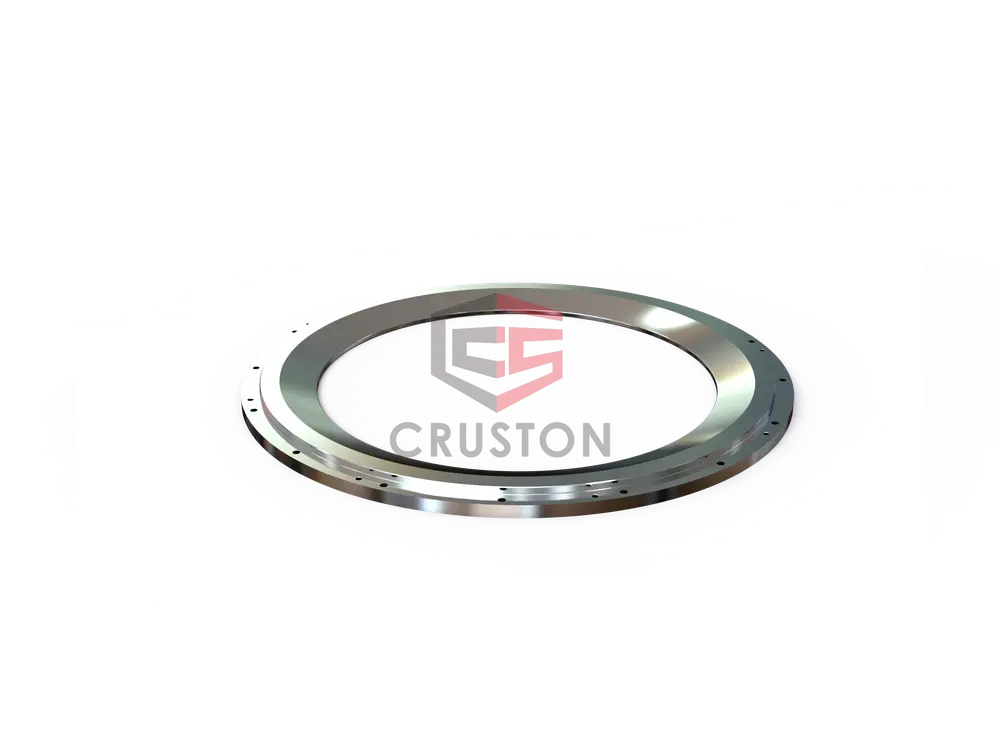
Support Ring

50mm ID Support Ring in 316L Stainless Steel for High-Load Machinery

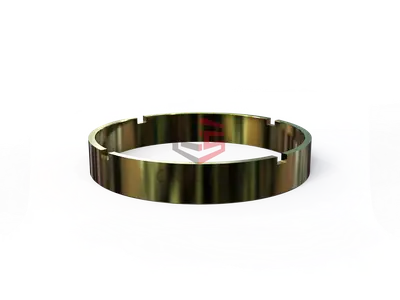
The Support Ring is a precision-engineered component designed to bear axial and radial loads in mechanical assemblies. With a 50mm inner diameter, 60mm outer diameter, and 8mm width, it is machined from 316L stainless steel, offering a load capacity of 12 kN and operating temperature range from -40°C to 200°C.

Width
8mm
Material
316L Stainless Steel
Load Capacity
12 kN
Operating Temperature
-40°C to 200°C

How Does the 50mm ID Support Ring Enhance Load Distribution in Machinery?

The Support Ring with a 50mm inner diameter and 60mm outer diameter is a critical component in load-bearing assemblies. Manufactured from 316L stainless steel, it provides a yield strength of at least 205 MPa and a tensile strength of 515 MPa, ensuring structural integrity under high stress. The 8mm width allows for efficient space utilization in compact designs, while the precision machining to ISO 2768-m tolerances guarantees a fit that minimizes vibration and noise. This ring is specifically designed to distribute axial loads up to 12 kN, making it suitable for applications such as gearbox shafts, pump housings, and conveyor rollers where misalignment or uneven loading could lead to premature failure.

In industrial settings, the 50mm bore size addresses a common challenge: standardizing components across multiple machines that use 50mm shafts. This support ring eliminates the need for custom adapters, reducing inventory complexity and downtime. Its 316L stainless steel construction offers superior corrosion resistance in environments exposed to moisture, chemicals, or salt spray, extending service life in food processing, marine, and chemical plants. The ring's operating temperature range of -40°C to 200°C ensures reliable performance in both cold storage and high-temperature processes, such as those found in baking ovens or engine compartments.

Compared to other support rings in the series, the 50mm ID variant strikes a balance between load capacity and compactness. While larger rings (e.g., 80mm ID) handle higher loads, they require more space; smaller rings (e.g., 30mm ID) are lighter but limited to lower loads. This 50mm model is optimized for medium-duty applications where space constraints and load requirements are equally important. Its 8mm width is narrower than the 12mm version, making it ideal for tight assemblies without compromising on strength. The precision-ground surface (Ra 0.8 μm) reduces friction, lowering energy consumption and wear on adjacent components.

  • Load capacity of 12 kN verified through static load testing per ISO 6892-1, ensuring reliable performance in high-stress applications.
  • 316L stainless steel provides a PREN of 24, offering excellent resistance to pitting and crevice corrosion in chloride-rich environments.
  • Precision machining to ISO 2768-m tolerance ensures consistent fit and reduces assembly time by up to 15% compared to standard rings.

Core Technical Features and Quantified Advantages

STEP 1

High Load Capacity of 12 kN

The support ring is engineered to withstand axial loads up to 12 kN, validated through static load tests according to ISO 6892-1. This capacity is achieved through a combination of 316L stainless steel's high tensile strength (515 MPa) and an optimized cross-sectional geometry. In practical terms, this means the ring can support the weight of a 1.2-ton load without permanent deformation, making it suitable for heavy machinery such as presses and crushers. The 8mm width contributes to a compact profile while maintaining structural integrity, allowing for use in space-constrained assemblies without sacrificing load-bearing capability.

STEP 2

316L Stainless Steel for Corrosion Resistance

Constructed from 316L stainless steel with a PREN (Pitting Resistance Equivalent Number) of 24, this support ring offers superior corrosion resistance compared to 304 stainless steel. The addition of molybdenum (2-3%) enhances resistance to pitting and crevice corrosion in chloride environments, such as marine applications or chemical processing plants. The material also performs well in acidic and alkaline solutions, with a corrosion rate of less than 0.1 mm/year in 5% sulfuric acid at room temperature. This extends the ring's service life in harsh conditions, reducing maintenance and replacement costs.

STEP 3

Precision Machining to ISO 2768-m Tolerance

Each support ring is machined to ISO 2768-m tolerances, ensuring dimensional accuracy and consistency. The inner diameter of 50mm is held to a tolerance of ±0.1mm, and the outer diameter of 60mm to ±0.1mm, guaranteeing a proper fit on standard 50mm shafts. The surface finish is controlled to Ra 0.8 μm, which minimizes friction and wear on mating components. This precision reduces vibration and noise in rotating assemblies, contributing to smoother operation and longer component life. The tight tolerances also simplify assembly, as the ring fits securely without the need for additional shims or adhesives.

STEP 4

Operating Temperature Range -40°C to 200°C

The support ring is designed to operate reliably across a wide temperature range from -40°C to 200°C, making it suitable for both cold storage and high-temperature industrial processes. At -40°C, the 316L stainless steel maintains its ductility and impact resistance, avoiding brittle fracture. At 200°C, the material retains sufficient strength for continuous operation, with a maximum allowable stress of 120 MPa. This temperature versatility allows the ring to be used in applications such as refrigeration systems, baking ovens, and engine compartments, where thermal cycling could otherwise cause premature failure.

FAQs about Support Ring

Similar Models