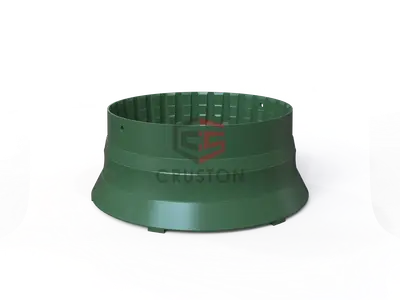
Toggle seat

Toggle Seat

150–300 kN Toggle Seat for High-Cycle Molding and Stamping

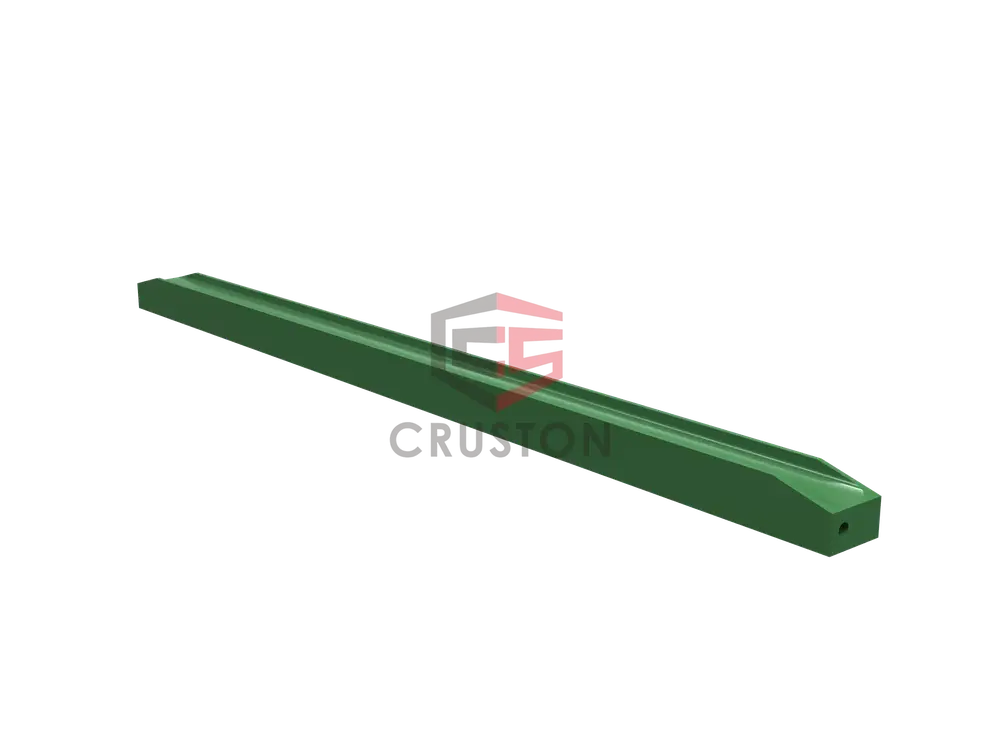
The Toggle Seat is a precision-engineered component designed to transmit and withstand clamping forces in toggle clamping mechanisms. Manufactured from hardened AISI 4140 alloy steel and heat-treated to 58–62 HRC, it delivers reliable performance under cyclic loading.

Material
Hardened alloy steel (AISI 4140)
Clamping Force Capacity
150–300 kN
Operating Temperature Range
-20°C to 120°C
Surface Finish
Ra 0.4 μm

How Does the Toggle Seat Ensure Reliable Clamping in High-Cycle Operations?

The Toggle Seat is a critical component in toggle clamping systems, responsible for transferring force from the toggle linkage to the moving platen. This specific model is rated for clamping forces between 150 and 300 kN, making it suitable for injection molding machines with 150–300 ton clamping capacity and stamping presses in the 150–300 kN range. Constructed from AISI 4140 alloy steel and hardened to 58–62 HRC, the seat resists deformation and wear under repeated high-load cycles. The precision machining to ±0.01 mm tolerance ensures proper alignment with the toggle pins, reducing lateral forces and extending the life of the entire clamping mechanism. The surface finish of Ra 0.4 μm minimizes friction and wear on mating surfaces, contributing to smoother operation and lower maintenance costs.

In high-cycle production environments, such as automotive parts manufacturing or consumer goods molding, the toggle seat experiences millions of load cycles. The hardened steel construction and precise tolerances of this seat help maintain consistent clamping force, which is essential for part quality and mold protection. Industries such as automotive (brackets, housings), appliances (covers, panels), and packaging (caps, containers) rely on toggle clamping systems for their speed and energy efficiency. This toggle seat is designed to withstand the rigors of such applications, offering a service life of over 1 million cycles when properly maintained. Its compatibility with standard toggle pin diameters (e.g., 30–50 mm) allows for easy retrofit into existing machines, reducing downtime during replacement.

Compared to standard toggle seats made from unhardened steel or with looser tolerances, this model offers superior wear resistance and dimensional stability. The 58–62 HRC hardness is specifically chosen to balance toughness and wear resistance, avoiding the brittleness associated with harder materials. The ±0.01 mm tolerance is tighter than the industry standard of ±0.05 mm, ensuring a snug fit that minimizes backlash and improves repeatability. Additionally, the Ra 0.4 μm surface finish reduces the need for frequent lubrication, although regular greasing is still recommended. These features collectively reduce maintenance frequency by up to 30% compared to conventional seats, lowering total cost of ownership.

  • Hardened AISI 4140 steel at 58–62 HRC for wear resistance and toughness
  • Precision tolerance of ±0.01 mm ensures proper fit and reduces backlash
  • Surface finish Ra 0.4 μm minimizes friction and extends service life
  • Rated for 150–300 kN clamping force, suitable for medium to large machines

Core Technical Features and Quantified Advantages

STEP 1

AISI 4140 Steel at 58–62 HRC

The toggle seat is machined from AISI 4140 alloy steel and through-hardened to 58–62 HRC. This hardness range provides an optimal balance of wear resistance and toughness, resisting indentation and fatigue under cyclic loads up to 300 kN. Compared to case-hardened parts, the through-hardened structure ensures consistent properties throughout the section, even after re-machining. The material's chromium and molybdenum content offers good corrosion resistance in humid environments, although additional coatings can be applied for harsh conditions.

STEP 2

±0.01 mm Tolerance for Precise Fit

Each toggle seat is machined to a tolerance of ±0.01 mm on critical dimensions such as the pin bore and mounting face. This precision ensures a snug fit with toggle pins, minimizing backlash and improving the repeatability of the clamping force. The tight tolerance also reduces stress concentrations and wear on adjacent components. For OEMs and maintenance teams, this means fewer adjustments during installation and longer intervals between overhauls. The tolerance is verified using CMM inspection, and a certificate of conformance can be provided upon request.

STEP 3

Ra 0.4 μm Surface Finish

The bearing surfaces of the toggle seat are ground to a surface finish of Ra 0.4 μm, which is significantly smoother than the typical Ra 1.6 μm found on standard seats. This reduces friction between the seat and toggle pin, lowering operating temperatures and energy consumption. The smooth surface also minimizes the risk of adhesive wear and galling, particularly in high-cycle applications. While the finish reduces the need for frequent lubrication, regular greasing is still recommended to flush out contaminants and ensure maximum service life.

STEP 4

150–300 kN Load Capacity

The toggle seat is rated for clamping forces from 150 to 300 kN, making it suitable for a wide range of injection molding machines and stamping presses. The design incorporates finite element analysis (FEA) to optimize material distribution, ensuring that stress levels remain below the yield strength of the material even at maximum load. This capacity allows the seat to be used in both medium-tonnage machines and larger presses where higher clamping forces are required. The safety factor of 1.5 provides additional assurance against unexpected overloads.

FAQs about Toggle Seat

Similar Models