banner-page-product-Vibrating Screen Exciter

Vibrating Screen Exciters for Efficient Screening Performance

Hilook delivers high-performance exciters engineered for continuous duty in mining, aggregate, and industrial screening. Explore eccentric shaft, unbalanced motor, and electromagnetic designs built to keep your screens running at peak amplitude.

Introduction

The Driving Force Behind Efficient Screening

Reliable Vibrating Screen Exciters for Consistent Performance

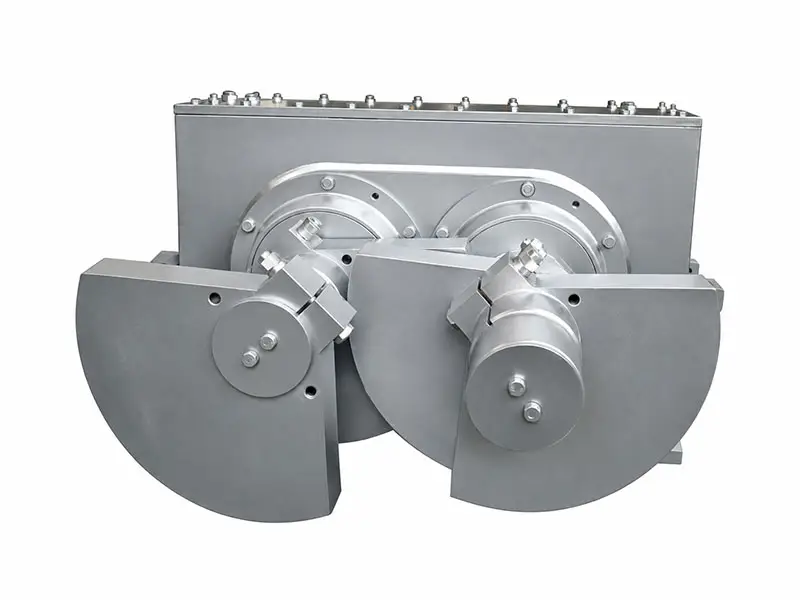
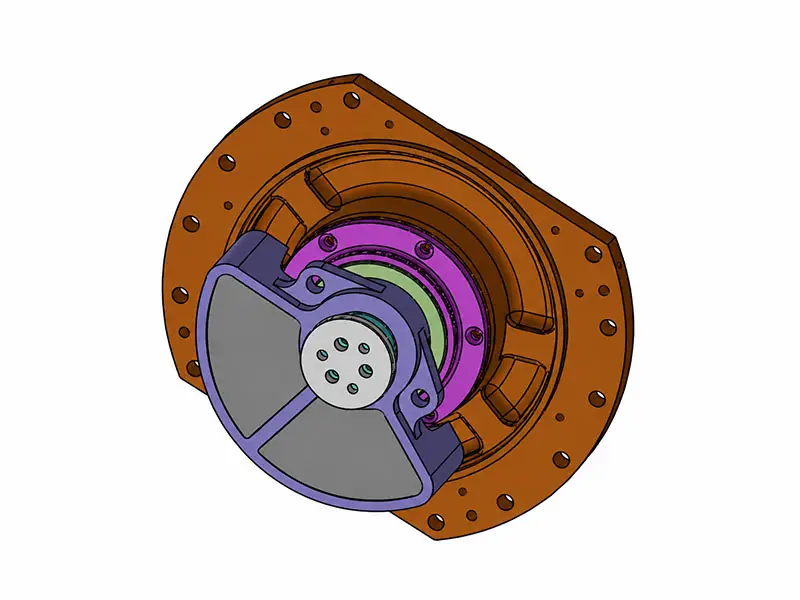
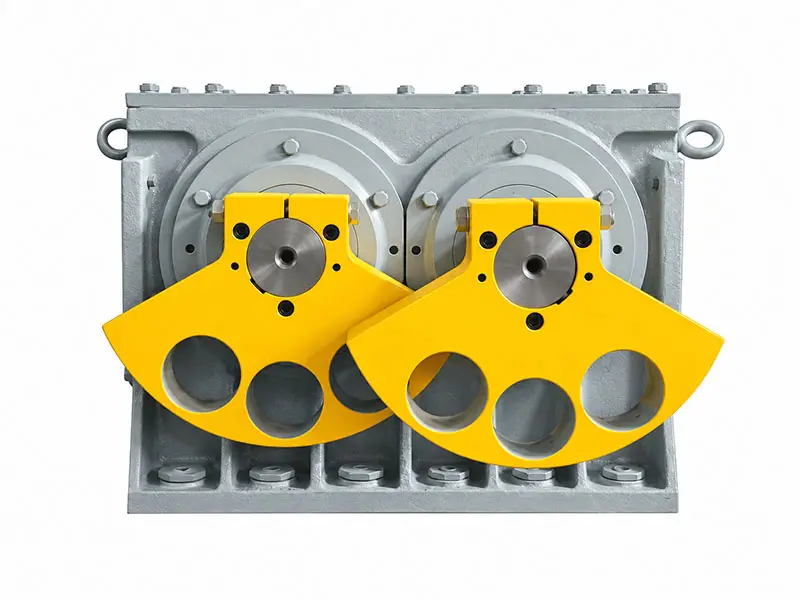
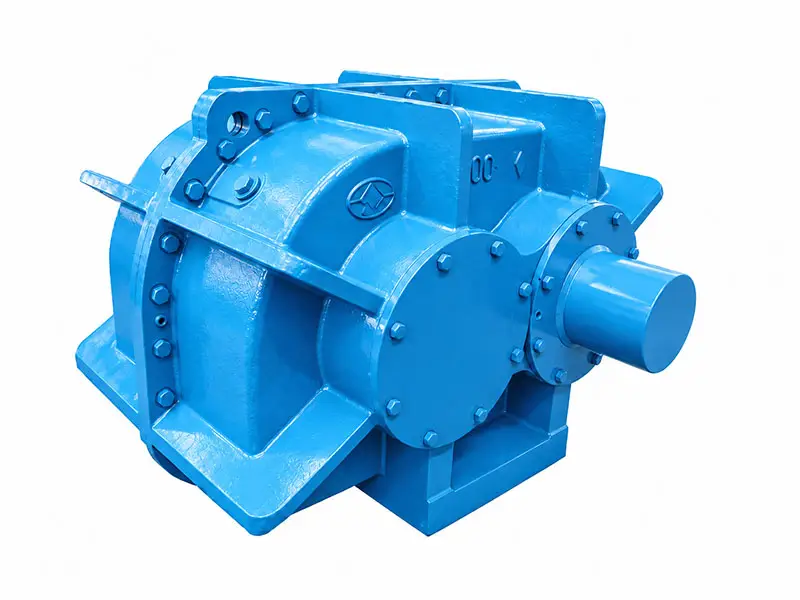
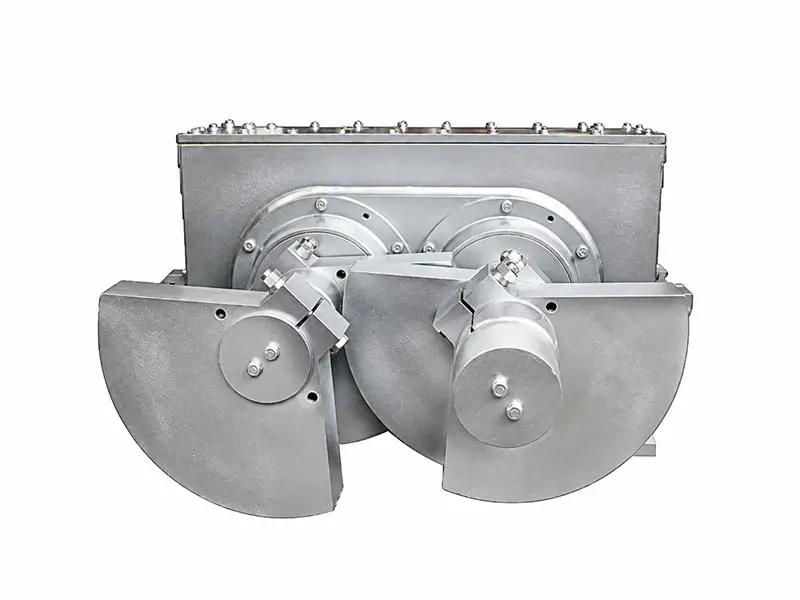
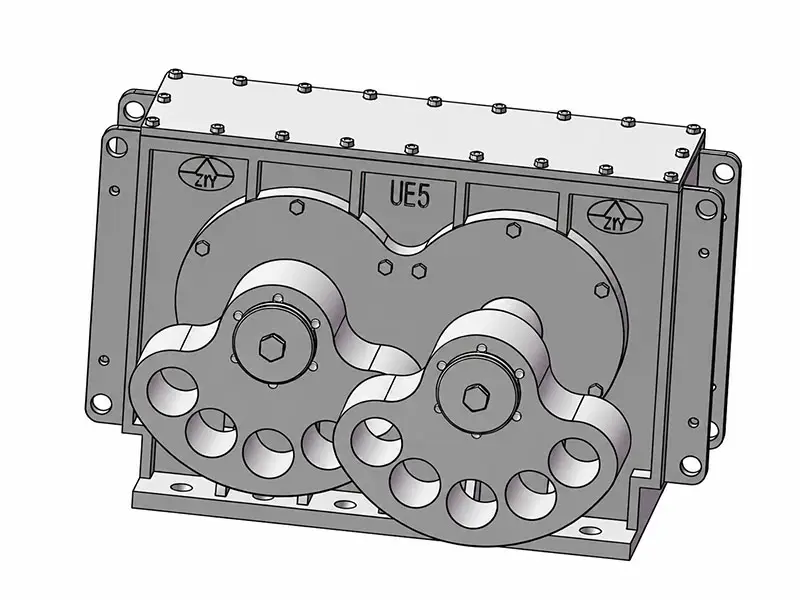
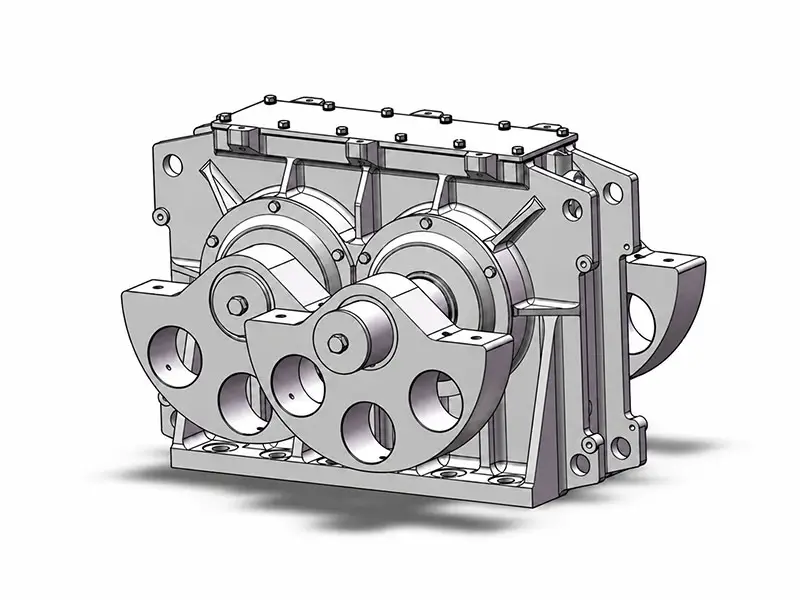
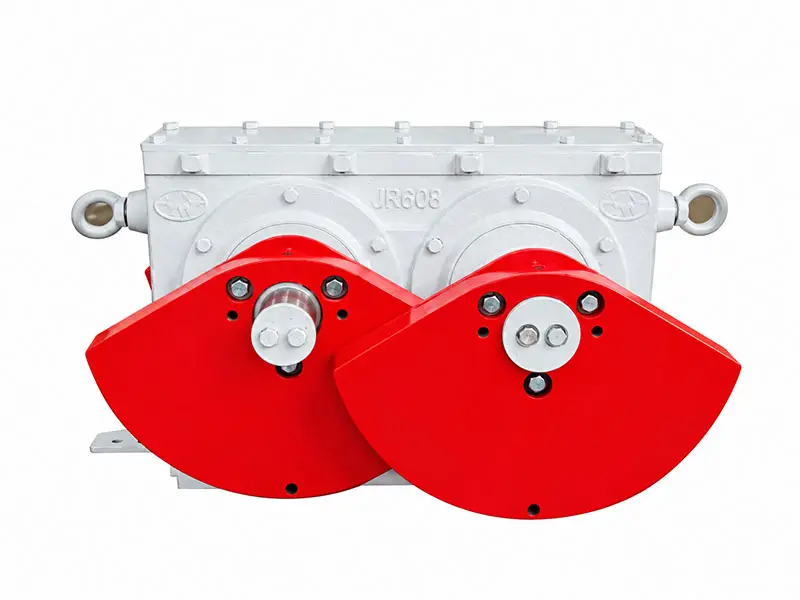
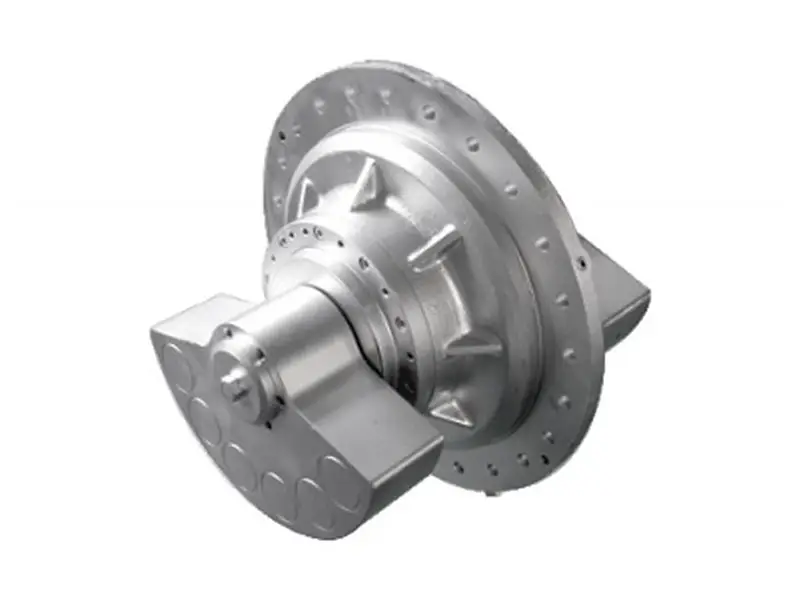
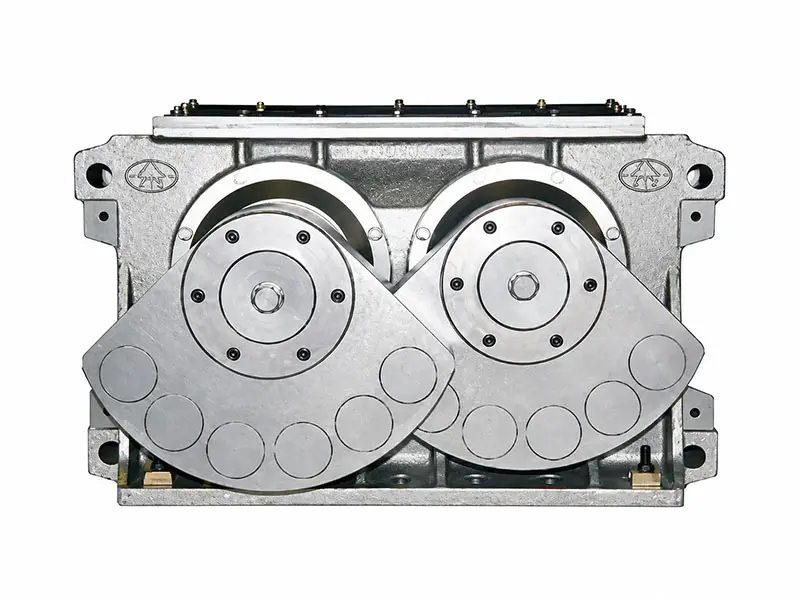
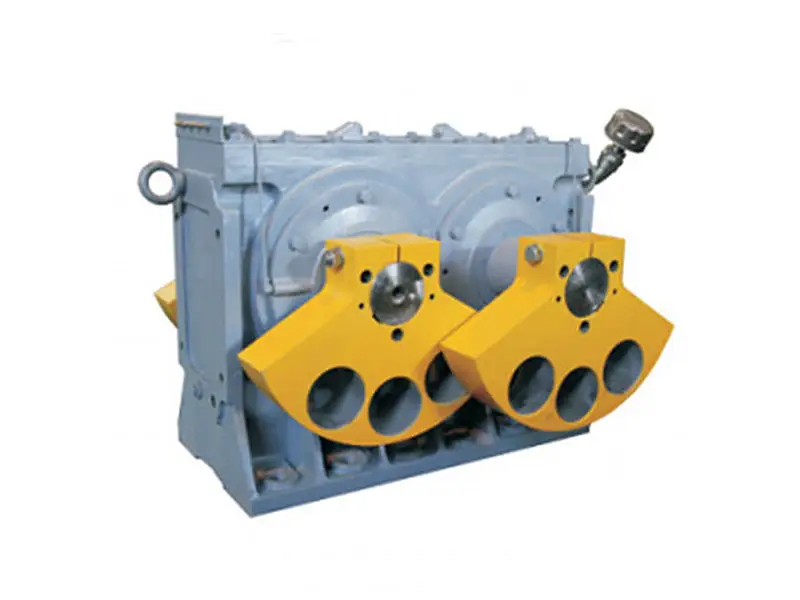
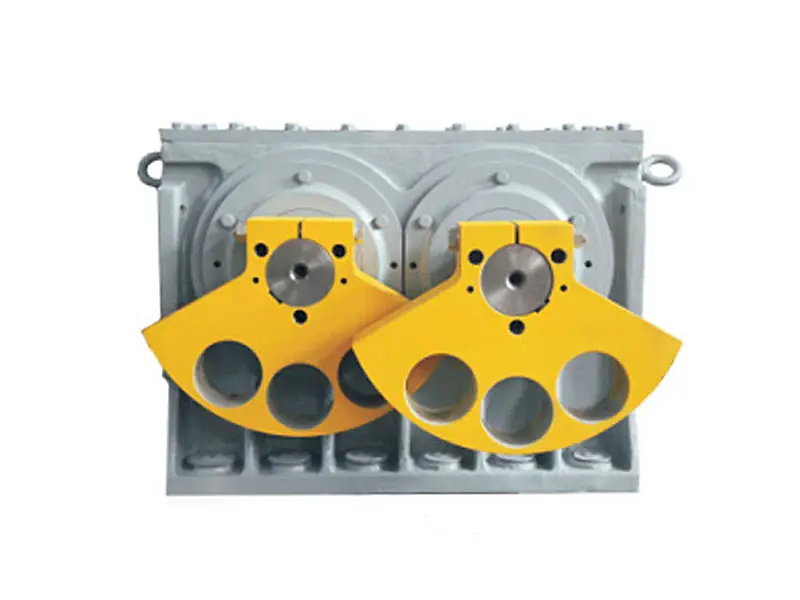
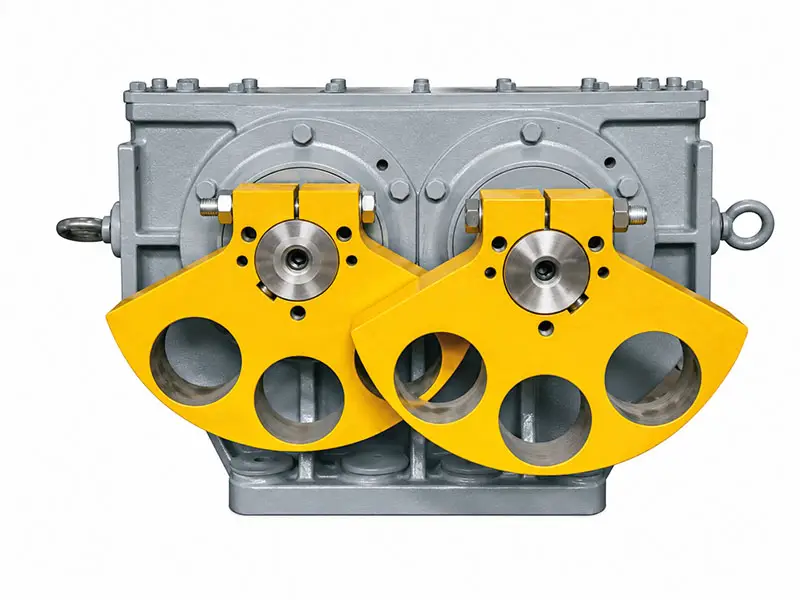
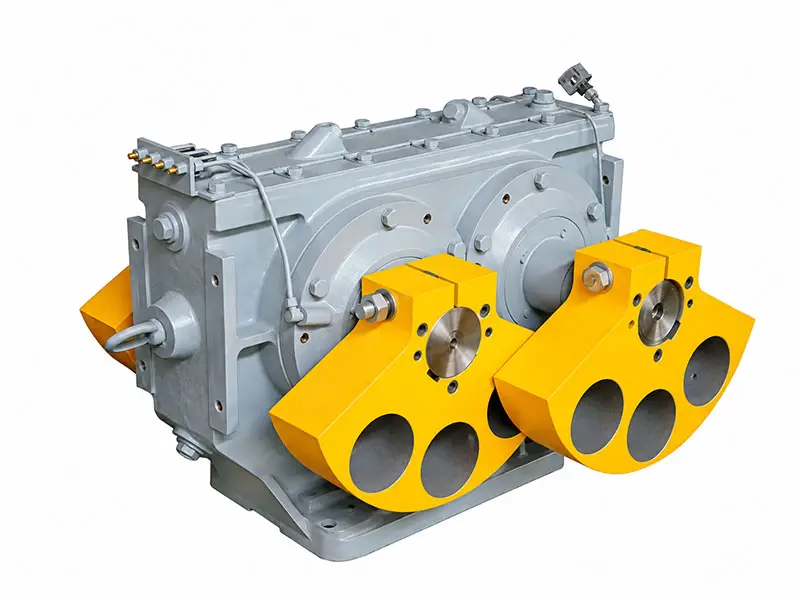
A vibrating screen exciter generates the controlled vibration needed for efficient material separation. By converting mechanical power into linear, circular, or elliptical motion, it helps maintain consistent screening amplitude, material stratification, and throughput. Built with heavy-duty bearings, eccentric mechanisms, and protective housings, exciters are essential for reliable operation in demanding mining, aggregate, and industrial screening applications.

Consistent Screening Motion

Precision eccentric shafts and weights generate the vibration force required for stable amplitude, effective material stratification, and accurate separation.

Reliable Load Support

Robust bearings support rotating eccentric loads, helping maintain smooth operation and reliable performance under continuous vibration.

Built for Harsh Conditions

Durable housings and sealing systems help protect internal components from dust, moisture, and contaminants in demanding screening environments.

Efficient Power Transmission

Reliable drive connections and suitable lubrication systems support consistent exciter operation, manage friction and heat, and help reduce maintenance downtime.

PRODUCTS

Our Products

Hilook offers a complete range of vibrating screen exciters to match different screening motions, capacities, and duty levels. Each series is engineered for specific stroke, frequency, and environmental requirements.
Selection

How to Choose the Right Vibrating Screen Exciter

Selecting an exciter requires balancing amplitude, frequency, screening capacity, material characteristics, and environmental conditions. Follow these steps to specify the correct unit for your application.
01

Define the Screening Duty

Determine the required capacity (t/h), cut size, and material bulk density. This sets the minimum dynamic force and screen area needed. For heavy-duty mining, eccentric shaft exciters are often preferred; for lighter or variable duties, unbalanced motor exciters offer flexibility.
02

Calculate Required Amplitude and Frequency

Amplitude (stroke) and frequency (speed) determine the G-force and material travel speed. Coarse material typically requires higher amplitude (8–15 mm) and lower frequency (800–1,000 rpm). Fine screening may need lower amplitude (1–3 mm) and higher frequency (1,500–3,600 rpm). Use the screen manufacturer's recommendation or perform a dynamic analysis.
03

Evaluate Material Characteristics

Abrasive, sticky, or high-moisture materials demand robust sealing and wear protection. For corrosive or food-grade applications, select exciters with appropriate surface finishes and lubricants. Electromagnetic exciters are suitable for fragile or fine powders.
04

Consider Environmental Conditions

Ambient temperature, dust, humidity, and altitude affect exciter performance and life. High-temperature environments require special bearings and lubricants. Wash-down areas need IP66 or higher protection. Explosive atmospheres require ATEX-certified motors.
05

Match Mounting and Drive Interface

Check the mounting flange pattern, shaft dimensions, and drive coupling type. Retrofitting an exciter to an existing screen requires accurate measurements. Hilook provides custom mounting adapters and can reverse-engineer obsolete exciters.
06

Review Maintenance and Support

Consider bearing life, lubrication intervals, and availability of spare parts. A heavy-duty exciter with easy-to-replace bearings reduces long-term downtime. Hilook offers global after-sales support and exciter maintenance training.
FAQ

Vibrating Screen Exciter Maintenance and Troubleshooting

Proper maintenance extends exciter life and prevents unplanned downtime. Here are answers to common questions about exciter care, failure modes, and solutions.

How often should I lubricate the exciter bearings?

Lubrication intervals depend on speed, load, and lubricant type. For grease-lubricated exciters, typical intervals range from 500 to 2,000 operating hours. Oil-lubricated units may require oil changes every 2,000–4,000 hours. Always follow the manufacturer's manual. High-temperature or dusty environments require shorter intervals. Using the wrong lubricant or over-greasing can cause bearing failure.

Why is my vibrating screen exciter overheating?

Common causes include insufficient lubrication, over-greasing, misalignment, worn bearings, or excessive ambient temperature. Check the lubricant level and condition, verify alignment between the exciter and drive, and ensure cooling air can circulate. If the problem persists, inspect the bearings and shaft for wear or damage.

Can I repair an exciter or should I replace it?

Minor issues such as worn bearings, seals, or lubricant can be repaired. However, if the shaft is damaged, the housing is cracked, or the exciter has been run to failure, replacement is usually more cost-effective. Hilook offers repair services and replacement exciters for most major brands. Consider upgrading to a heavy-duty exciter if failures are frequent.

What are the signs of a failing exciter bearing?

Early warning signs include increased noise, higher vibration levels, elevated bearing temperature, and grease discoloration. If the screen amplitude drops or the motion becomes erratic, bearing wear is likely. Regular vibration analysis and thermography can detect issues before catastrophic failure. Replace bearings at the first sign of spalling or excessive clearance.

How do I fix unbalanced operation or excessive vibration?

Unbalanced operation often results from worn or broken eccentric weights, loose mounting bolts, or a failed bearing. Inspect the exciter for missing or damaged weights and tighten all fasteners to the specified torque. If the screen body is cracked or the springs are worn, address those issues as well. In some cases, the exciter may need to be rebalanced or replaced.

What spare parts should I keep in stock?
Recommended spares include bearings, seals, lubricant, and mounting bolts. For critical screens, keep a complete spare exciter or a rebuilt exchange unit. Fast access to these parts minimizes downtime. Hilook provides spare parts kits and can customize a stocking plan based on your maintenance history.
about 11
STRICT QUALITY CONTROL
Mining and Minerals

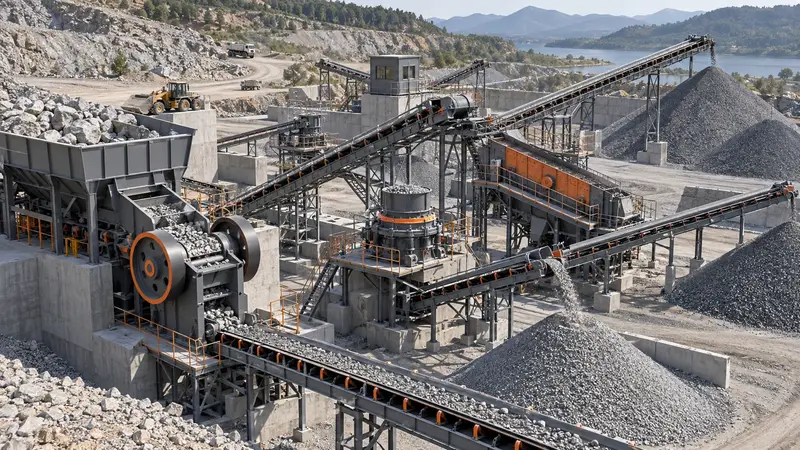
In mining, vibrating screens handle high-tonnage, abrasive ores. Exciters must deliver high G-force and withstand dust, moisture, and extreme temperatures. Eccentric shaft exciters are common for primary scalping and secondary sizing. Heavy-duty unbalanced motor exciters are used for dewatering tailings and fine coal. Hilook provides exciters with reinforced bearings and labyrinth seals for extended life in mine sites.
Iron ore, copper, gold, coal, and industrial minerals.
Scalping, sizing, desliming, and dewatering.
Custom force ratings up to 300 kN.
banner-page-application-app04
STRICT QUALITY CONTROL
Aggregates and Construction

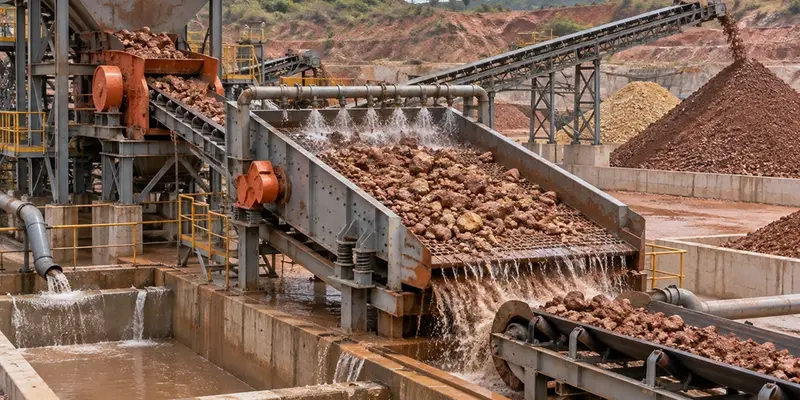
Aggregate operations require reliable, high-capacity screening for crushed stone, sand, and gravel. Exciters must handle continuous duty and varying feed conditions. Hilook offers eccentric shaft exciters for primary and secondary screens, and unbalanced motor exciters for compact mobile plants. Adjustable amplitude allows operators to optimize for different product sizes.
Quarrying, sand and gravel, recycled concrete.
Washing, sizing, and grading.
Mobile and stationary plant compatibility.
Application-Sand-Vibrating Feeder03
STRICT QUALITY CONTROL
Recycling and Waste Management

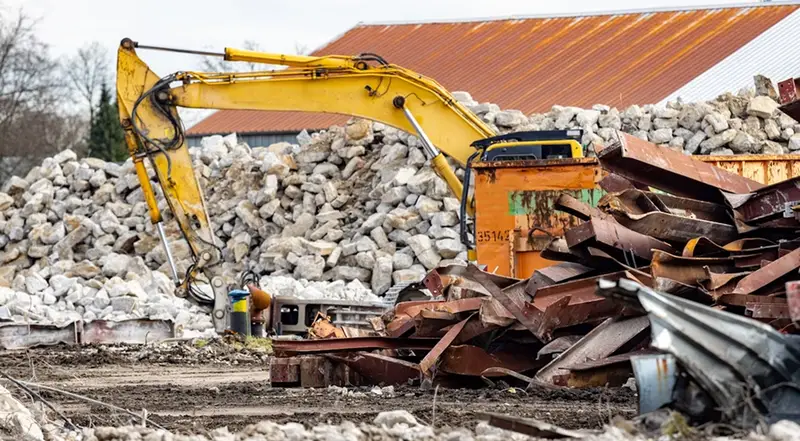
Recycling screens process heterogeneous materials such as C&D waste, glass, and plastics. Exciters must resist shock loads and provide consistent motion for effective separation. Unbalanced motor exciters are popular for their compact size and adjustable force. Electromagnetic exciters are used for fine fraction separation. Hilook supplies exciters with enhanced sealing for dusty recycling environments.
Construction and demolition waste.
Glass, plastic, and metal recovery.
Compost and biomass screening.

WHY US

Why Choose Hilook Vibrating Screen Exciters

Hilook combines engineering expertise, quality manufacturing, and global support to deliver exciters that outperform and outlast. Here is what sets us apart.

Quality Assurance

Every exciter is manufactured under ISO 9001:2015 and tested for dynamic balance, noise, and temperature rise. We use premium bearings from SKF, FAG, or NSK and verify performance on our in-house vibration test rig.

Custom Engineering

We design exciters to match your exact stroke, frequency, and mounting requirements. Our engineers can reverse-engineer obsolete or imported exciters and provide form-fit-function replacements with improved life.

Global Support

With distributors in over 30 countries, Hilook provides local technical support, spare parts, and maintenance training. Our multilingual team responds to inquiries within 24 hours.

After-Sales Service

We offer a 12–24 month warranty on all exciters, plus repair and exchange programs. Our service engineers can assist with installation, commissioning, and troubleshooting on-site or remotely.

Fast Delivery

Standard models ship within 2–4 weeks. Emergency replacement units can be dispatched within 48 hours for critical breakdowns. We maintain a stock of popular models and components.

Cost Efficiency

By optimizing bearing selection and manufacturing processes, we deliver exciters with lower total cost of ownership. Reduced downtime and longer service intervals translate to real savings.

CONTACT US
Request a Quote for Your Vibrating Screen Exciter
Tell us your screen size, material, and required force. Our engineers will recommend the right exciter and provide a competitive quote within 24 hours.

    Get a quick quote

    We typically confirm within 24 hours.