banner-page-product-Vibrating Screen

High-Performance Vibrating Screens for Efficient Material Separation

Hilook delivers industrial vibrating screens engineered for precise particle sizing and high-throughput separation across mining, aggregates, food, and pharmaceutical applications.

Product Category

What Is a Vibrating Screen?

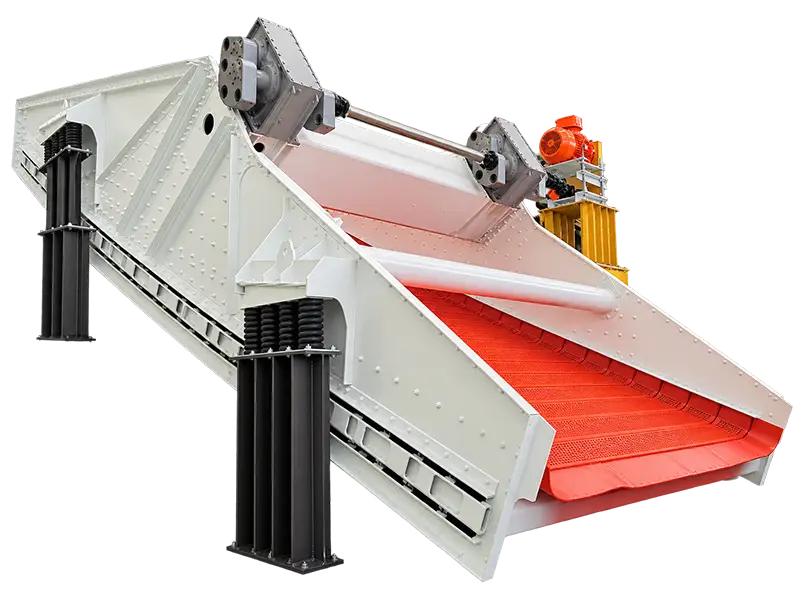
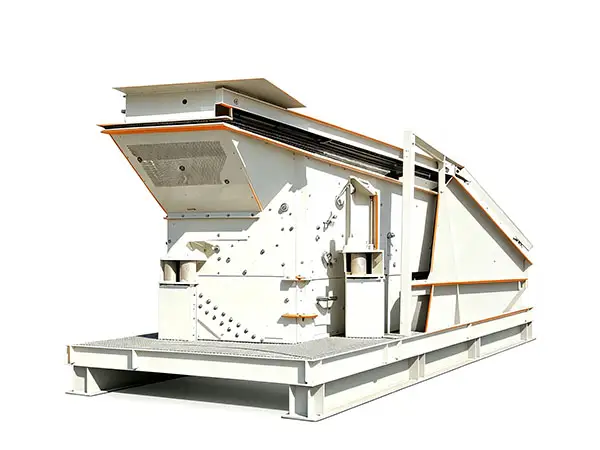
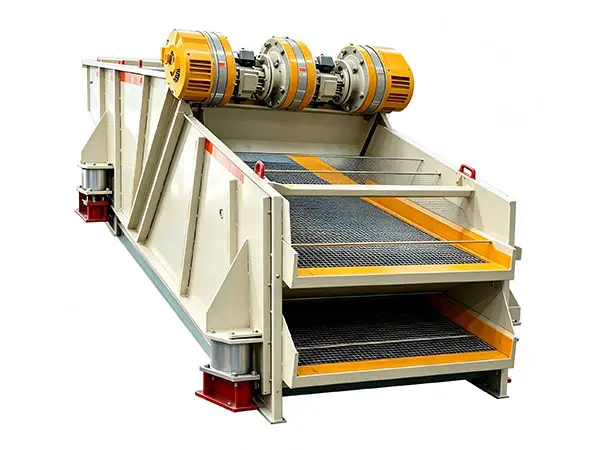
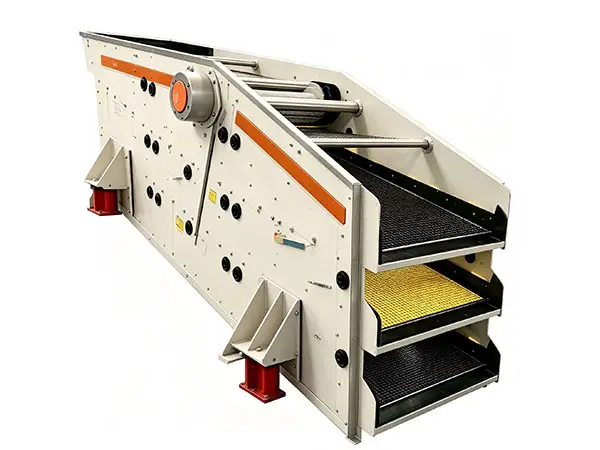
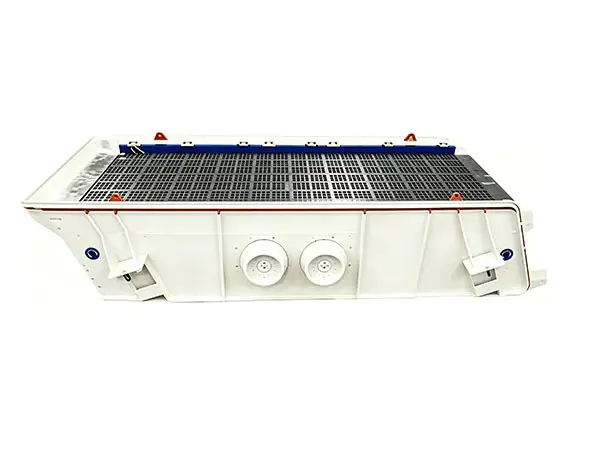
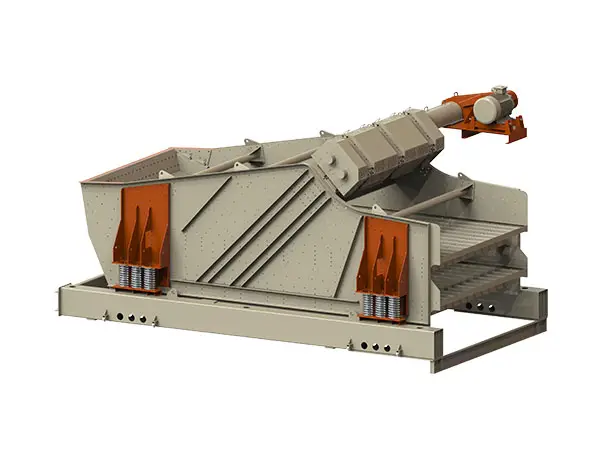
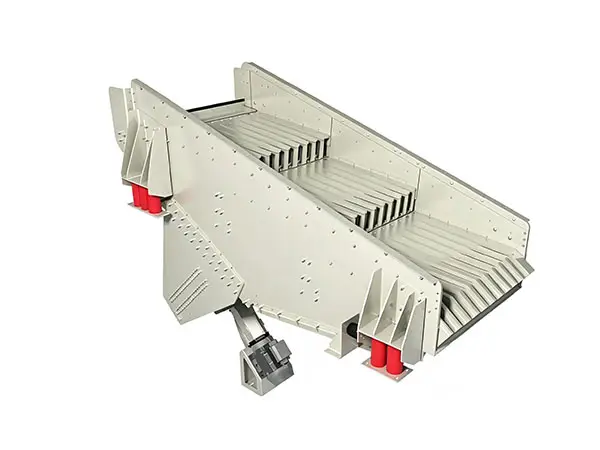
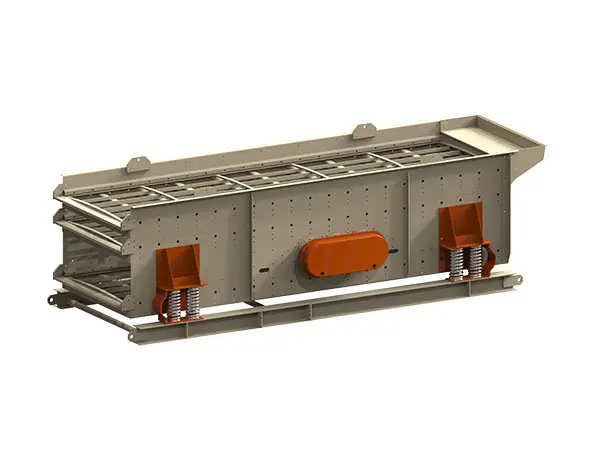
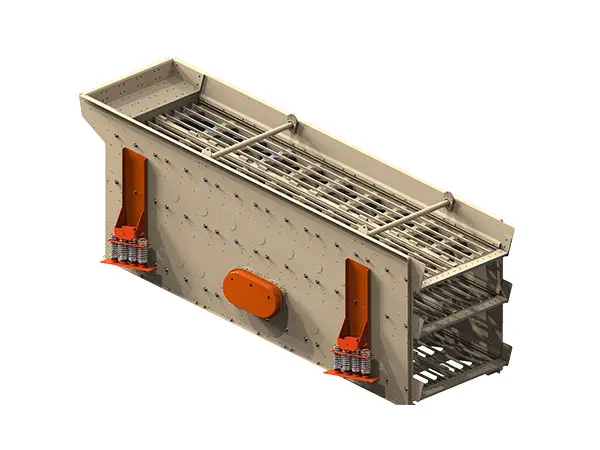
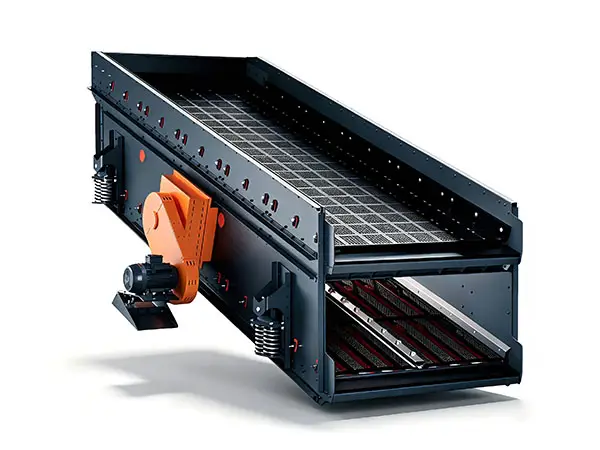
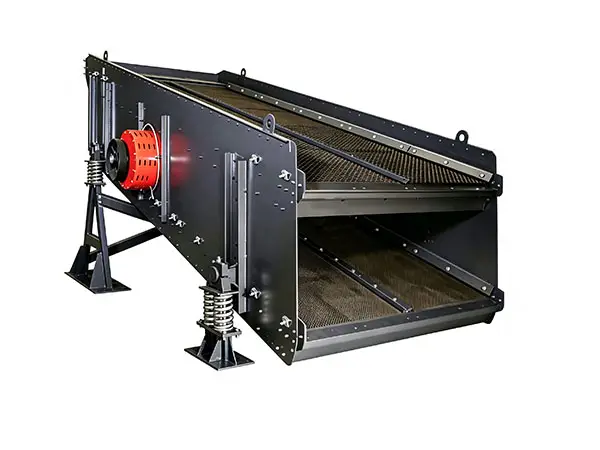
A vibrating screen is a mechanical classifier that uses controlled vibration to separate solid materials by particle size. It is essential for grading, dewatering, and scalping in bulk material processing.

Our vibrating screens are engineered for reliable material classification, sizing, and dewatering, helping improve processing efficiency while reducing operating costs.

Efficient Vibratory Separation

Controlled vibration stratifies materials by particle size, allowing fine particles to pass through the screen while oversize material moves toward the discharge end.

Durable & Stable Construction

Built with robust screen decks, vibration mechanisms, spring mounts, and reinforced frames to withstand continuous operation and demanding industrial conditions.

Versatile Screening Performance

Suitable for scalping, grading, and dewatering applications across mining, aggregates, sand, coal, and other material processing industries.

Higher Throughput, Lower Operating Costs

Optimized screening efficiency helps maintain consistent product quality, maximize plant capacity, and reduce unnecessary crushing, grinding, and maintenance costs.

PRODUCTS

Hilook Vibrating Screen Models
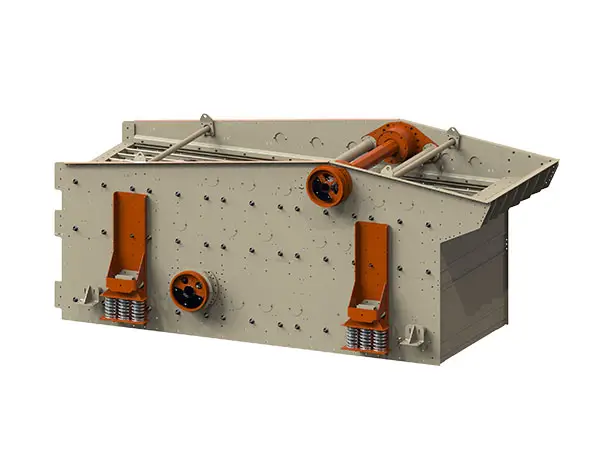
Hilook offers a comprehensive range of vibrating screens to match any capacity, material, and budget. Explore our core series below.
Application-Sand-Vibrating Screen01
Industry Application
Mining

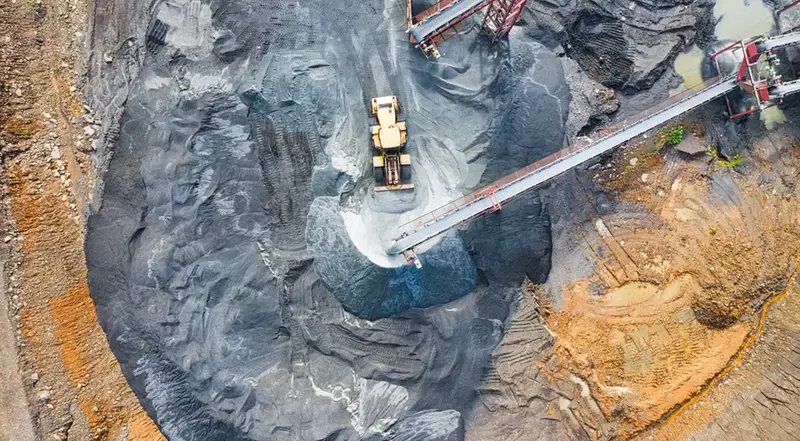
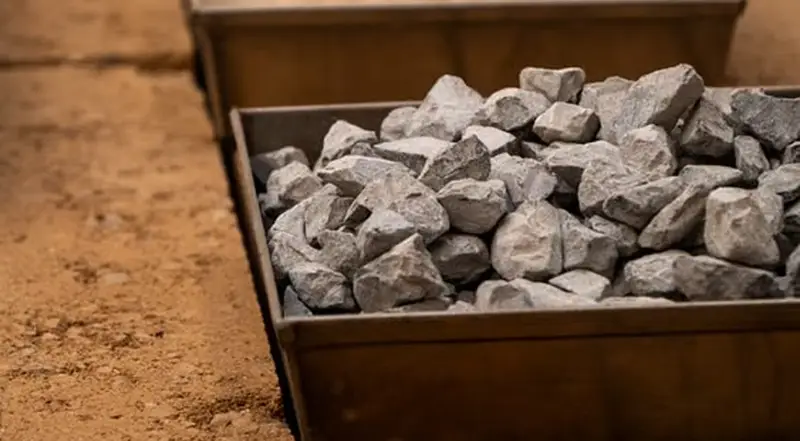
In mining, vibrating screens are used for scalping, grading, and dewatering of ores and minerals. They operate under extreme conditions—high impact, abrasive materials, and heavy loads. Hilook mining screens feature reinforced decks, wear-resistant liners, and heavy-duty vibrators to withstand the toughest environments. Typical applications include:

Iron ore, copper ore, gold ore screening
Coal preparation and desliming
Diamond and platinum recovery
Aggregate production for construction
Our screens help mines increase throughput, reduce downtime, and achieve consistent product size. Custom solutions include double-deck and triple-deck configurations, dust encapsulation, and remote monitoring.
Application-Sand-Vibrating Screen02
Industry Application
Aggregates

Aggregate producers rely on vibrating screens to classify crushed stone, sand, and gravel into saleable fractions. High-capacity circular and linear screens are the workhorses of quarries and sand plants. Hilook offers screens with adjustable stroke and speed to optimize separation efficiency for different aggregate types. Key benefits:

Accurate sizing for concrete and asphalt mixes
High tonnage capacity with minimal blinding
Modular polyurethane or wire mesh decks for quick changeout
Dust suppression and noise reduction options
We also provide dewatering screens for washed sand and gravel, reducing moisture content for stockpiling and transport.
Application-Sand-Vibrating Screen03
Industry Application
Pharmaceuticals

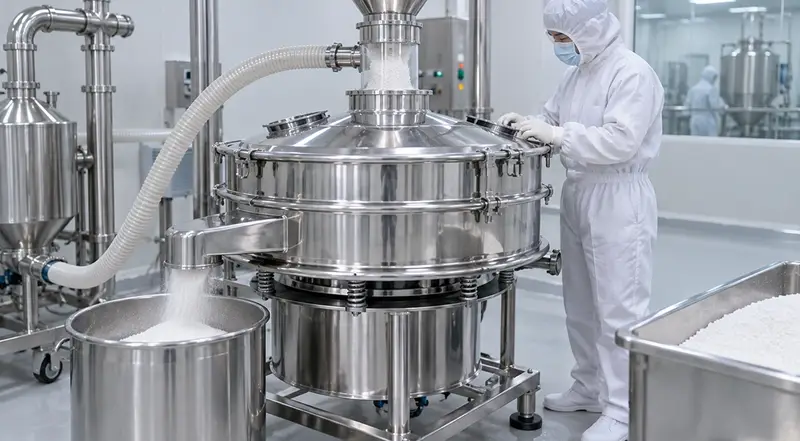
Pharmaceutical manufacturing demands precise particle size distribution and strict contamination control. Vibrating screens are used for sizing active pharmaceutical ingredients (APIs), excipients, and granules. Hilook pharmaceutical screens are designed with:

Sanitary stainless steel construction
Closed-loop designs to prevent dust exposure
Validation documentation (IQ/OQ/PQ)
Ultrasonic deblinding for fine powders
Our gyratory and high-frequency screens ensure gentle handling and minimal product degradation, meeting cGMP requirements.
Application-Sand-Vibrating Screen04
Industry Application
Recycling

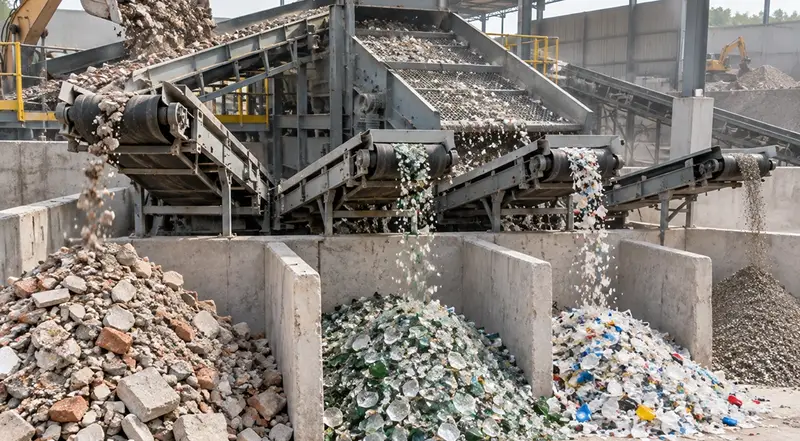
Recycling operations use vibrating screens to separate and classify materials such as plastics, glass, metals, and construction debris. The challenge is handling heterogeneous, often irregularly shaped feed with varying moisture. Hilook recycling screens feature:

Heavy-duty decks resistant to impact and abrasion
Elliptical or linear motion to handle sticky or tangled materials
Adjustable amplitude for different material densities
Modular design for easy maintenance and deck replacement
Typical applications include municipal solid waste (MSW) sorting, construction and demolition (C&D) debris recycling, and plastic flake classification.

Process Steps

How to Choose the Right Vibrating Screen: Selection and Sizing Guide

Selecting the correct vibrating screen requires careful consideration of material characteristics, capacity, and site conditions. Follow this step-by-step guide.
01

Define Your Material Characteristics

Start by analyzing the material to be screened: bulk density, particle size distribution, moisture content, angle of repose, abrasiveness, and corrosiveness. These factors determine the required screen type, deck material, and motion. For example, a highly abrasive iron ore requires wear-resistant polyurethane decks, while a sticky clay may need an elliptical motion to prevent blinding.
02

Determine Required Capacity

Calculate the required throughput in tonnes per hour (t/h). Consider peak loads and future expansion. Capacity is influenced by screen width, length, deck inclination, stroke, and speed. As a rule of thumb, a wider screen increases capacity, while a longer screen improves efficiency. Use manufacturer capacity charts or software to size the screen accurately. Hilook provides free capacity calculation support.
03

Select the Cut Point and Mesh Size

Define the desired separation size (cut point). This determines the aperture size of the screen media. For dry screening, the aperture is typically 1.5–2 times the cut point. For wet screening, it can be closer to the cut point. Choose from woven wire, perforated plate, polyurethane, or wedge wire depending on wear life and blinding tendency.
04

Choose the Motion Type

Based on material and application, select circular, linear, elliptical, or high-frequency motion. Circular screens are best for coarse, dry materials; linear for fine, dry or dewatering; elliptical for sticky or fibrous; high-frequency for very fine particles. Hilook application engineers can help you decide.
05

Consider Environmental and Site Conditions

Evaluate available space, headroom, support structure, and environmental regulations. Linear screens require less headroom than inclined circular screens. Dust and noise control may require enclosed designs or rubber liners. For outdoor installations, consider weather protection and corrosion resistance.
06

Review Maintenance and Support

Assess ease of maintenance: access to decks, lubrication points, and drive components. Choose a supplier with local service support and readily available spare parts. Hilook offers global service networks, remote monitoring, and preventive maintenance contracts to maximize uptime.
FAQ

Maintenance and Troubleshooting: Ensuring Long-Term Performance

Regular maintenance and quick troubleshooting keep your vibrating screen running at peak efficiency. Find answers to common questions.

What routine maintenance does a vibrating screen require?

Daily: Check for unusual noise or vibration, inspect for loose bolts, and ensure feed is evenly distributed. Weekly: Lubricate bearings (if grease-lubricated), inspect screen media for wear or damage, and check belt tension. Monthly: Inspect springs, vibrator components, and drive couplings; tighten all fasteners to specified torque. Quarterly: Replace worn screen media, check motor current, and verify stroke and amplitude. Annually: Overhaul vibrator assembly, replace bearings and seals, and repaint or treat corrosion.

What causes excessive vibration or noise?

Excessive vibration can result from worn springs, unbalanced vibrator weights, loose mounting bolts, or a broken screen frame. Noise may indicate bearing failure or metal-to-metal contact. Check and replace worn springs, rebalance the vibrator, tighten bolts to correct torque, and inspect bearings for wear. If noise persists, add rubber buffers or isolation mounts.

My screen is not achieving the desired separation efficiency. What should I check?

First, verify feed rate is within design capacity. Check for uneven feed distribution across the width. Inspect screen media for damage or blinding. Adjust stroke, speed, or inclination. Ensure the correct aperture size. If the material is wet, consider adding water sprays or switching to a dewatering screen. For fine screening, a high-frequency screen may be more effective.

Why is my vibrating screen blinding or pegging?

Blinding occurs when particles stick in the apertures, reducing open area. Causes include moisture, static electricity, or irregular particle shape. Solutions: Use anti-blinding devices such as balls, chains, or ultrasonic deblinding; adjust stroke and speed; change deck material to polyurethane or rubber; or add water sprays for wet screening. For pegging (particles wedged in holes), increase amplitude or use a different aperture shape.

How often should I replace screen media?

Screen media life depends on material abrasiveness, throughput, and media type. Polyurethane decks typically last 6–12 months, rubber 3–6 months, and woven wire 1–3 months. Inspect weekly for holes, tears, or loose tension. Replace when wear exceeds 30% of original thickness or when product quality degrades. Keep spare panels on hand to minimize downtime.

How do I store a vibrating screen for long periods?

Clean the screen thoroughly, remove any material residue, and dry it. Lubricate all bearings and coat exposed metal surfaces with rust preventive. Store indoors in a dry, vibration-free area. If outdoor storage is necessary, cover with a tarp and elevate off the ground. Periodically rotate the vibrator shaft to prevent bearing flat-spotting.
Why Choose Us

Why Choose Hilook: Quality, Support, and Custom Solutions

Hilook combines decades of engineering expertise with a customer-first approach to deliver vibrating screens that outperform and outlast.

Proven Engineering Expertise

With over 20 years of experience in vibration technology, Hilook has installed more than 10,000 screens worldwide. Our R&D team continuously improves designs for higher efficiency, lower noise, and longer wear life. We hold multiple patents in vibrator design and screen media.

Certified Quality

Our manufacturing facilities are ISO 9001:2015 certified. Screens are CE marked and comply with international safety standards. We use only high-grade steel, bearings from SKF or FAG, and rigorously tested components. Every screen undergoes dynamic balancing and performance testing before shipment.

Custom Solutions

No two applications are identical. Hilook offers tailored solutions including custom deck configurations, special materials (stainless steel, wear-resistant alloys), dust enclosures, and automated controls. Our engineers work with you from concept to commissioning.

Global Service Network

With service centers in Asia, Europe, and the Americas, we provide rapid on-site support, spare parts availability, and preventive maintenance programs. Our remote monitoring system allows real-time performance tracking and predictive maintenance.

Customer Testimonials

“Hilook’s linear screens increased our sand production by 25% while reducing downtime. Their support team is responsive and knowledgeable.” — Aggregate Producer, Australia “The gyratory screens from Hilook meet our strict hygiene standards and have been running flawlessly for three years.” — Pharmaceutical Manufacturer, Germany

Case Study: Iron Ore Mine in Brazil

A major iron ore mine was facing bottlenecks in their screening circuit. Hilook supplied three HL-C Series circular screens with polyurethane decks, increasing throughput from 800 t/h to 1,100 t/h and reducing maintenance costs by 30%. The screens have been operating 24/7 for over two years with minimal downtime.

bg01
CONTACT US
Ready to Optimize Your Screening Process?
Contact Hilook today for a free consultation and quote. Our engineers will help you select the perfect vibrating screen for your material and capacity.

    Get a quick quote

    We typically confirm within 24 hours.